TEXTILE FACADE SYSTEMS

TEXTILE FACADE SYSTEMS

Back

Textile Facade Systems

TEXTILE FACADE SYSTEMS

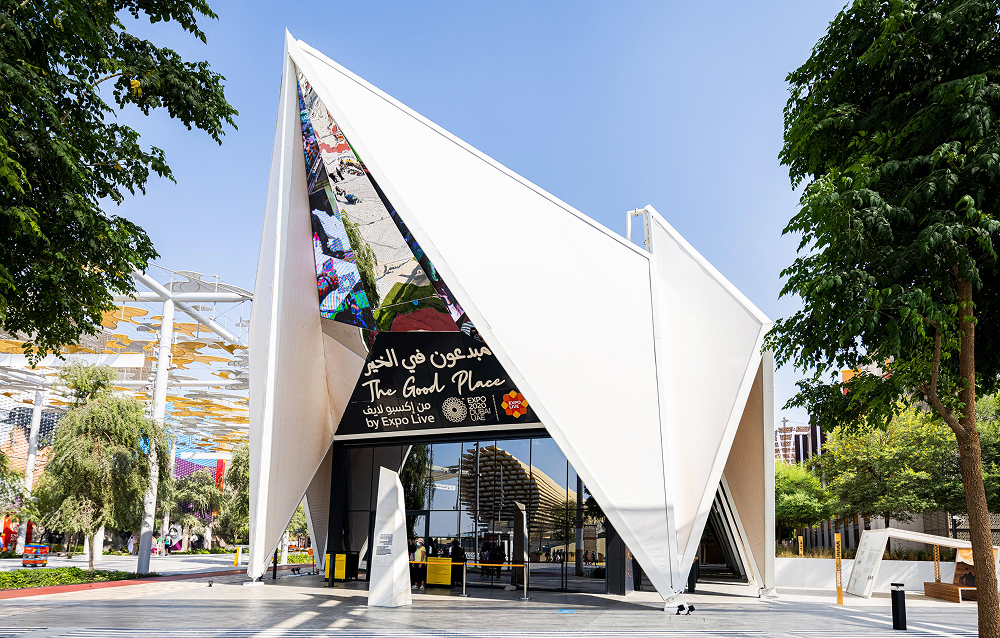
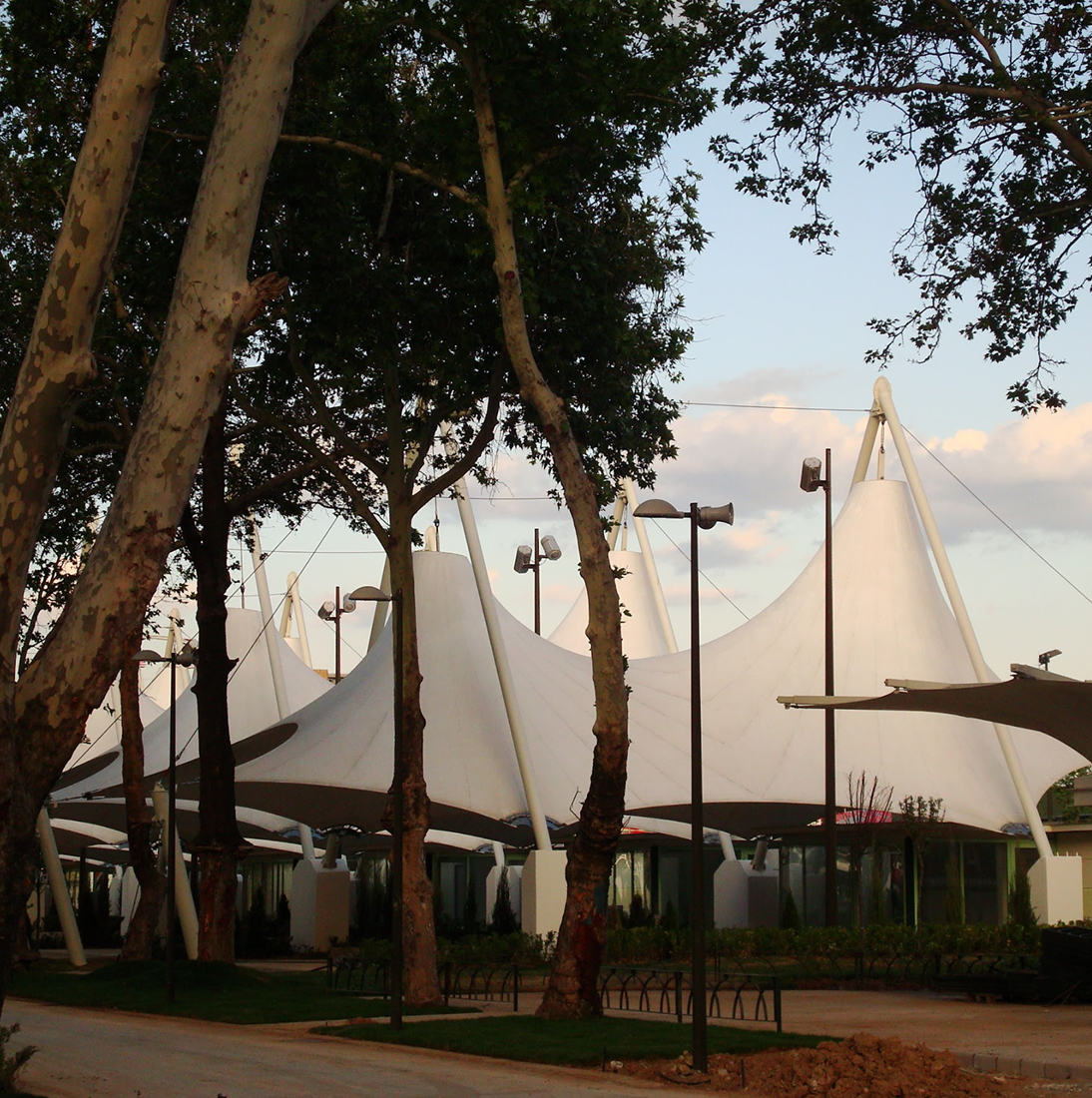
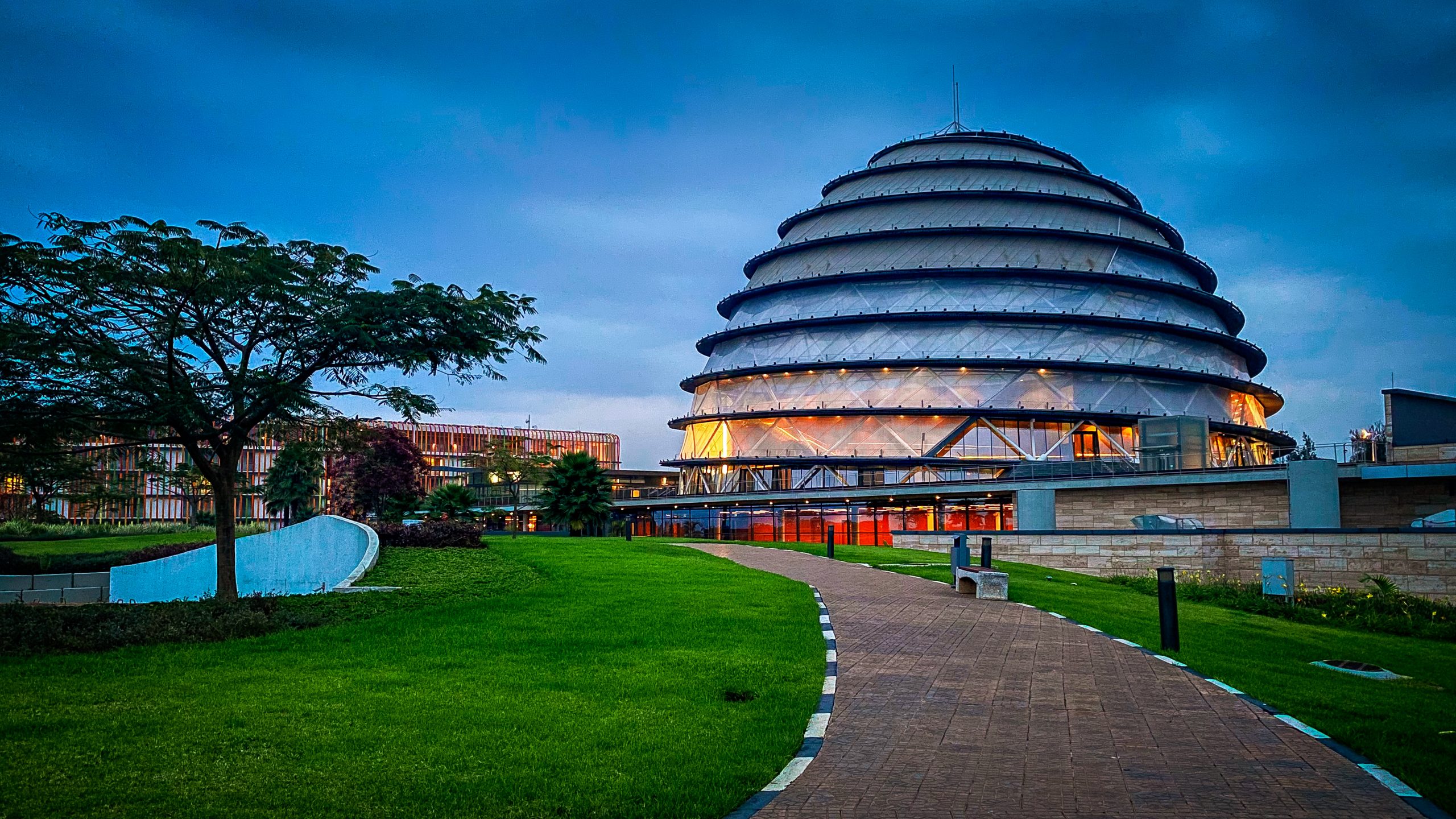
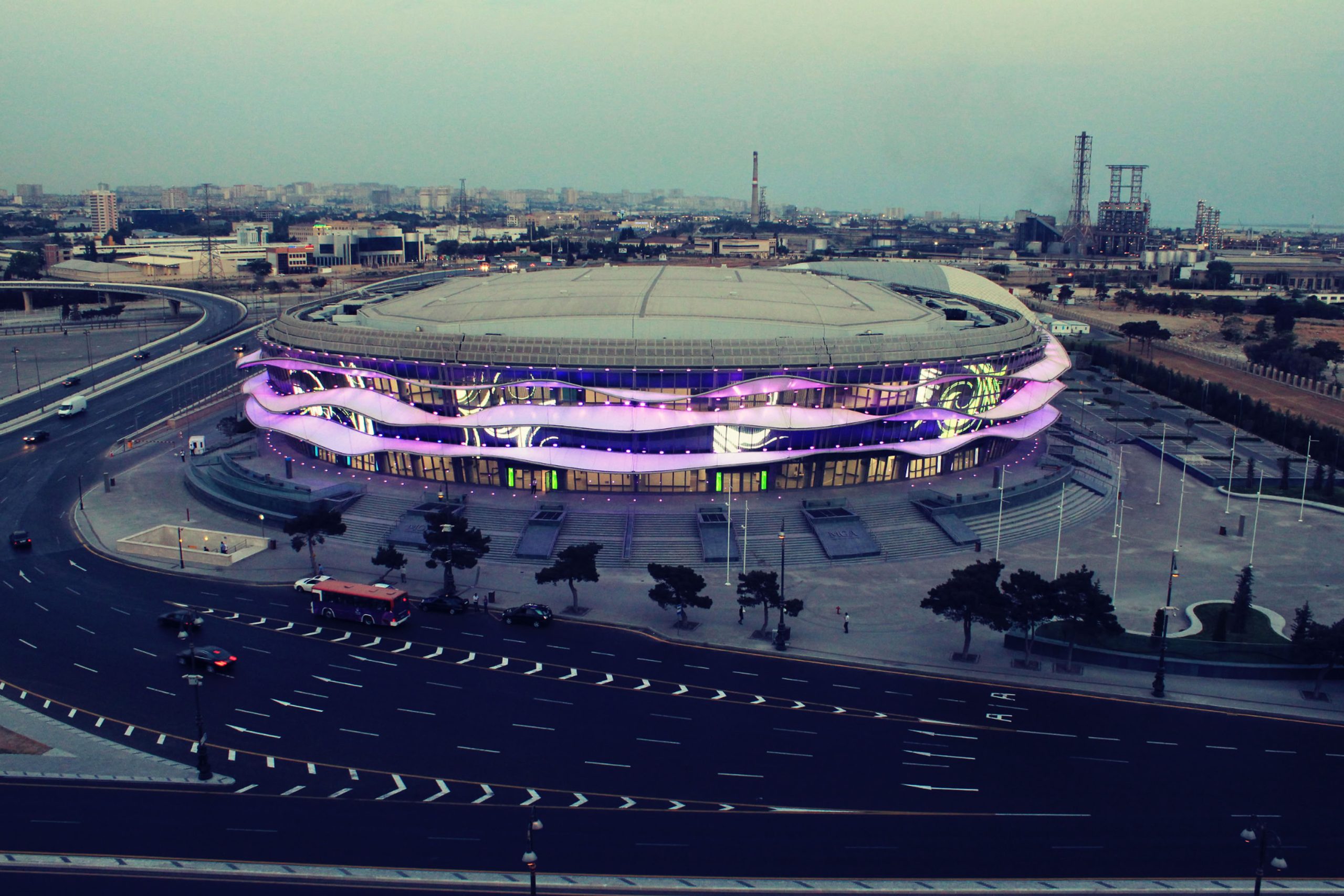
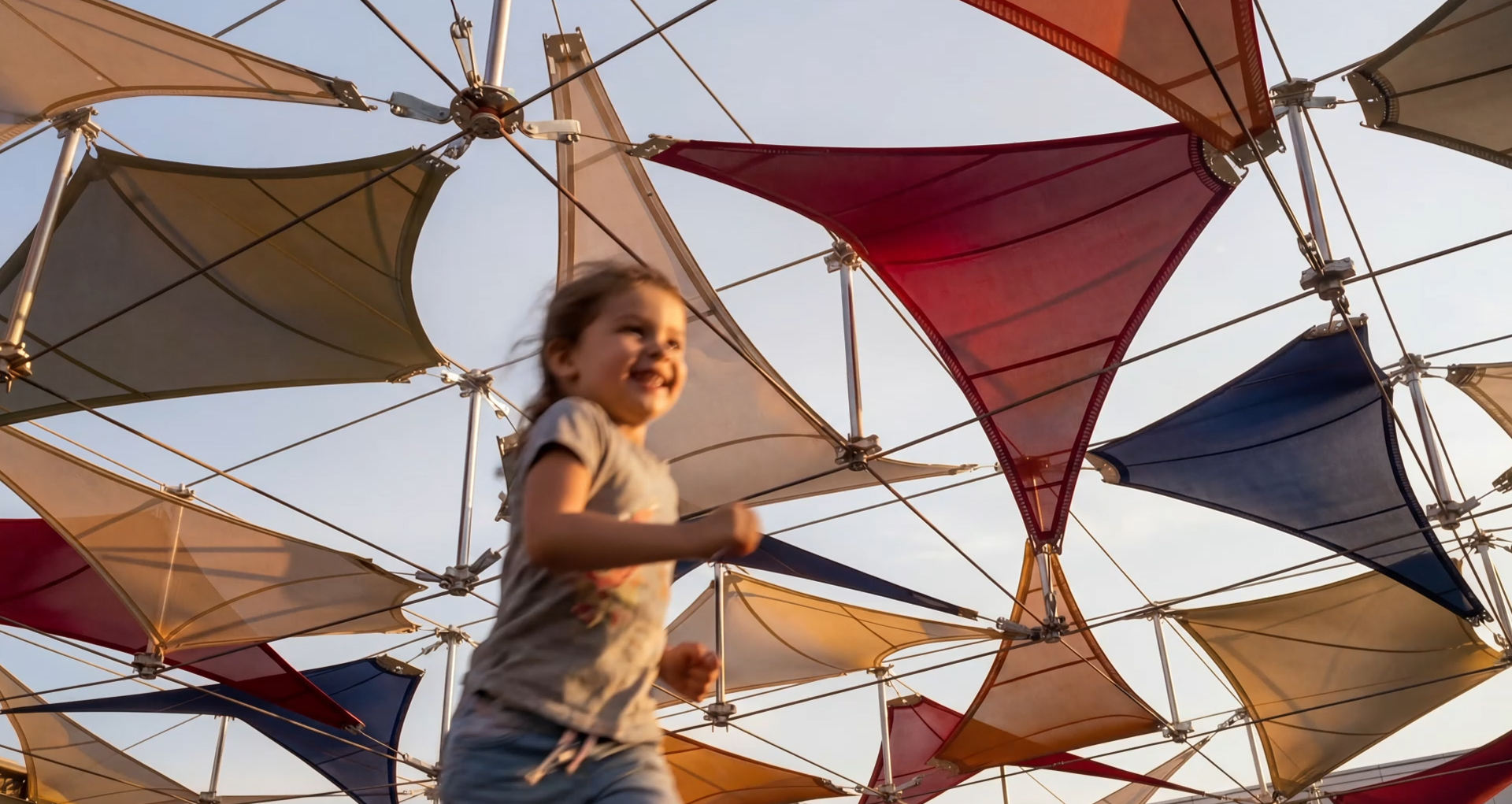
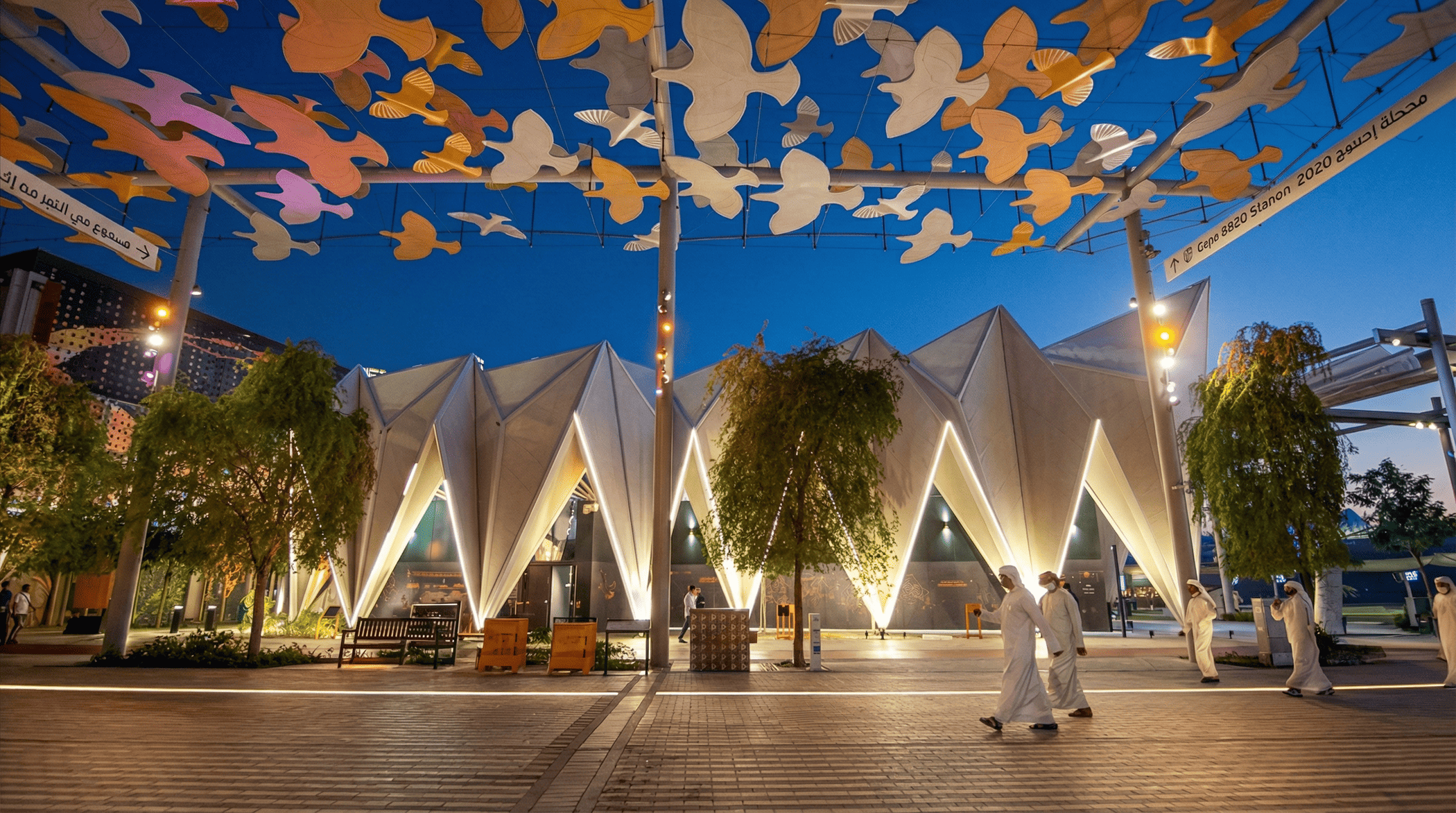
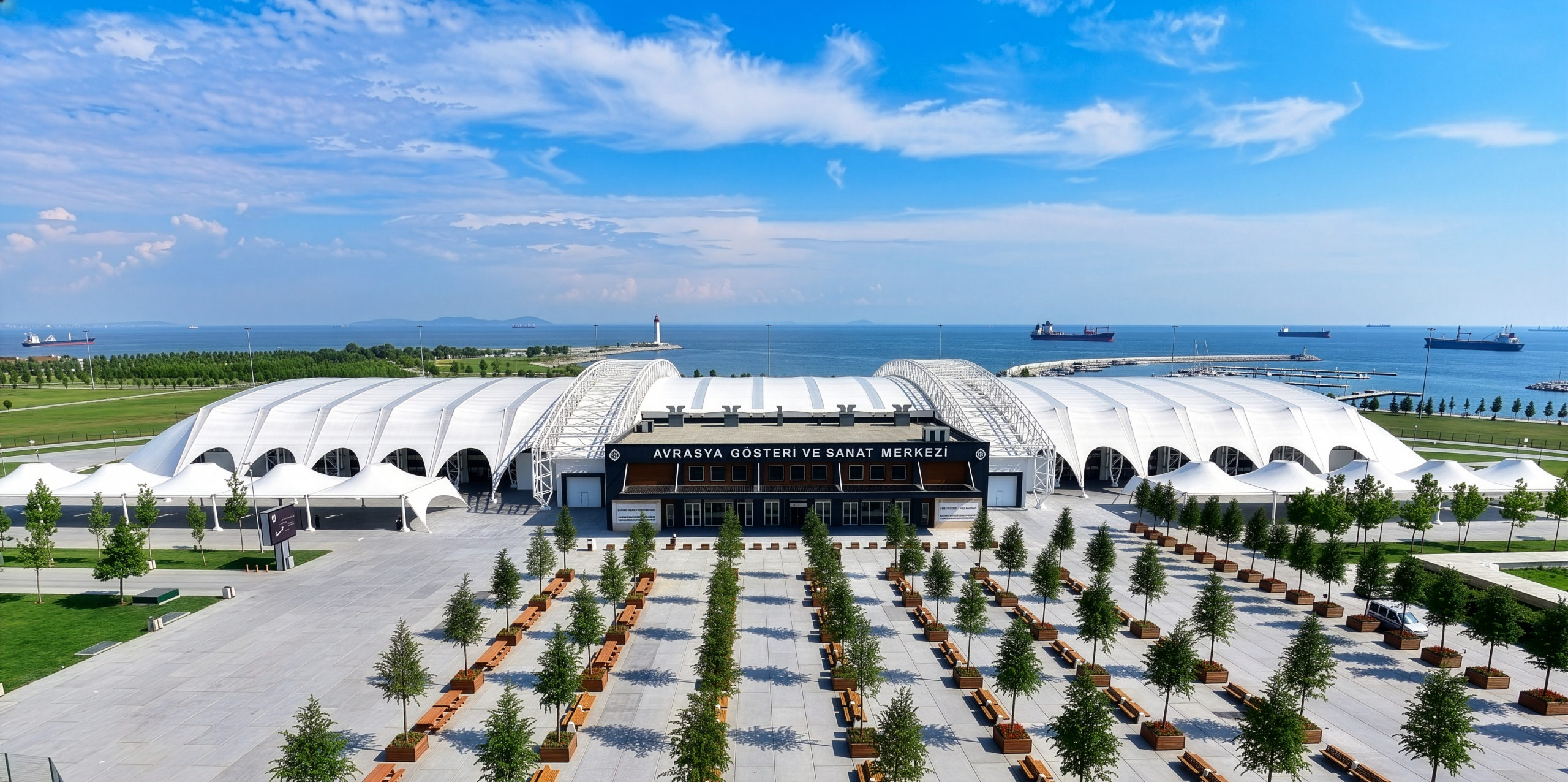
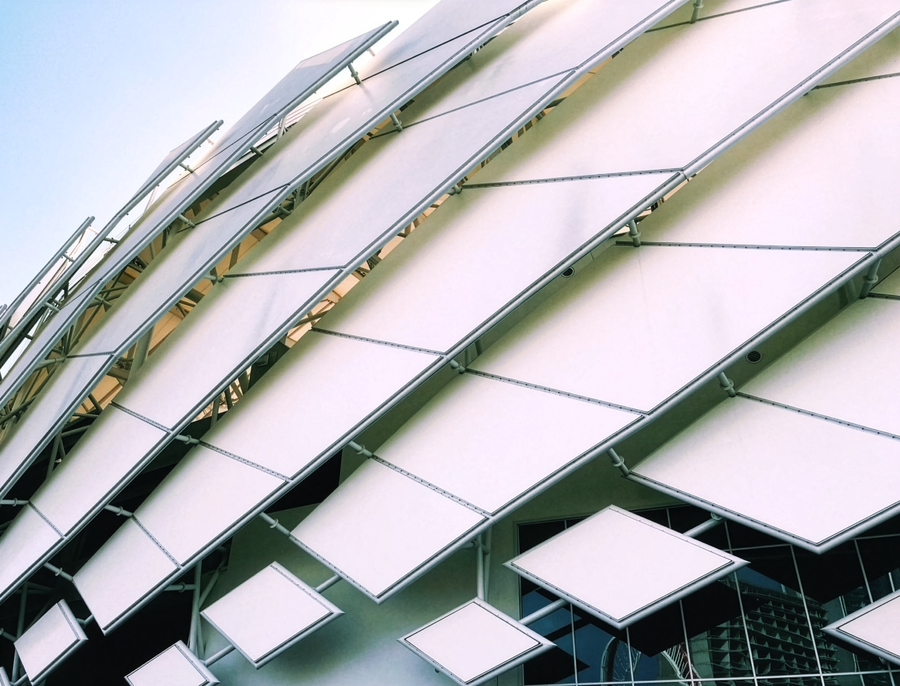
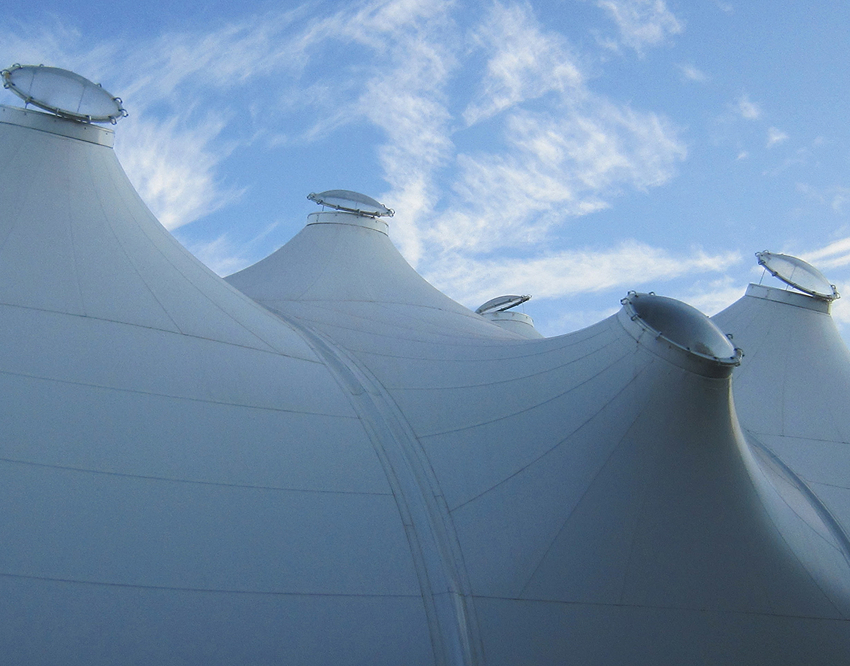
Textile facades are lightweight facade systems consisting of high-strength technical membrane materials stretched over a load-bearing substructure. Although they have a much lower surface weight compared to traditional facade cladding elements, they have become widespread in modern architectural applications because they offer structural performance optimized against wind and thermal effects.

Get a Quote
Principles of Structural Design

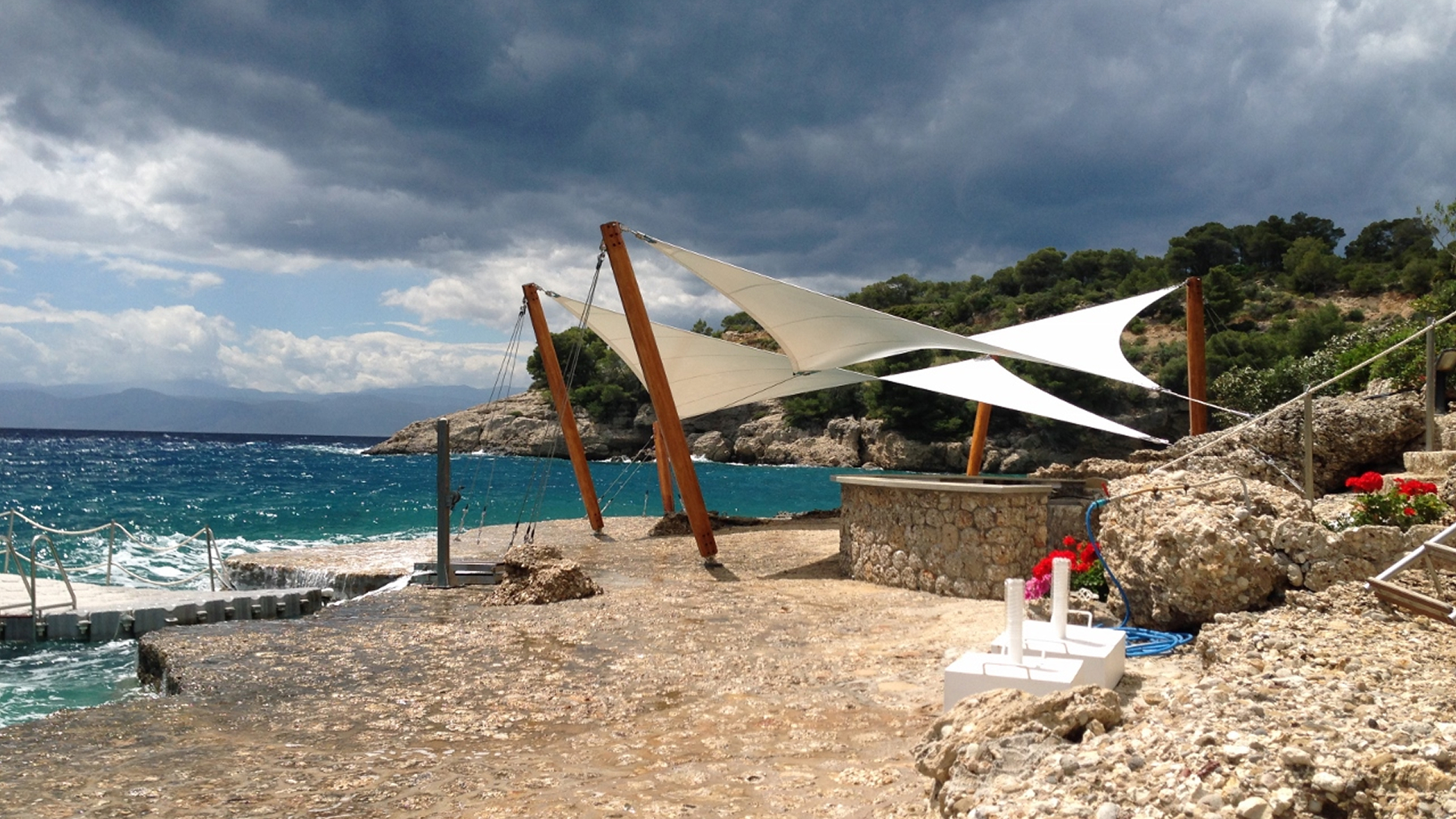
The fundamental structural principle of textile facades is that the membrane operates under tensile stresses. The facade surface is integrated into the system with a specific tensile force through profiles, steel cables, or tensioning details anchored to the substructure.

Pre-Tensioning

In textile membranes, the pre-tensioning force is typically designed to be in the range of 1–6 kN/m. Pre-tensioning:

  • Increases surface stability,
  • Prevents wrinkling and sagging,
  • Keeps deformations under wind loads under control.
Supporting Subsystem

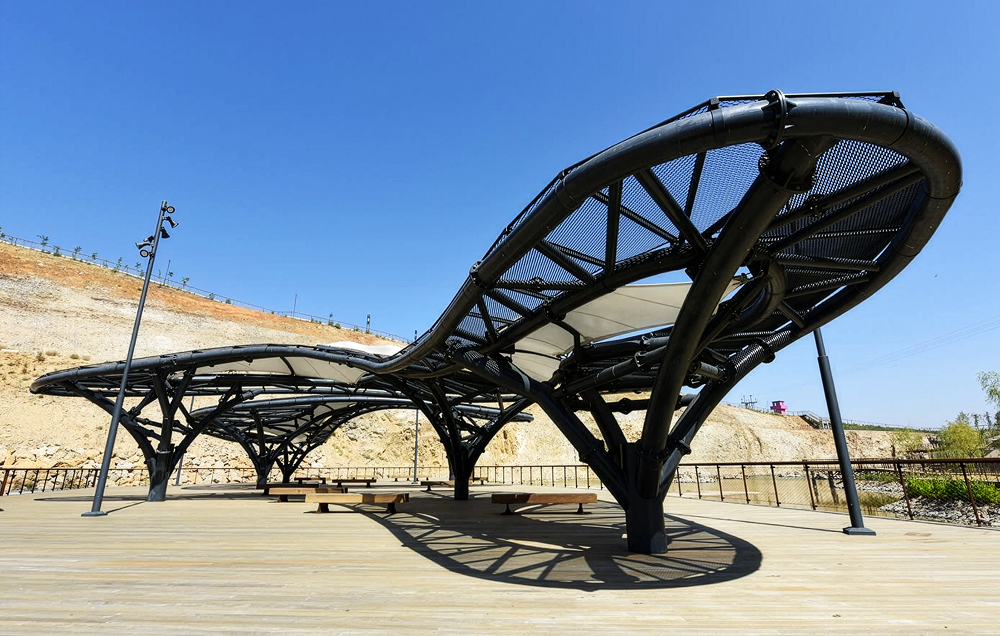
Facade subsystems typically consist of aluminum profiles, steel box sections, or cable-supported frames. This structural unit must possess sufficient rigidity to transfer the tensile forces of the membrane to the anchor points.

TEXTILE FACADE SYSTEMS

Materials Technology

Membrane materials used in textile facades are selected from technical textiles due to their high tensile strength, UV resistance, and thermal stability.

PVC-Coated Polyester (PES/PVC)

  • Tensile strength: 2,500–4,000 N/5 cm
  • Orthotropic material behavior
  • Weldable and cost-effective
  • 15–25-year service life

PTFE-Coated Glass Fiber

  • High-temperature and UV resistance
  • A1–A2 fire rating
  • Self-cleaning property
  • Long service life (25–35 years)

ETFE Film Facades

  • Light transmittance: 85–95%
  • Single-layer or double-layer systems
  • Very low surface weight (0.15–0.3 kg/m²)
  • High optical performance

These materials are typically designed to be orthotropic—that is, to have different elastic moduli in two directions—which is a key factor in controlling the deformation of the facade surface.

Analysis and Engineering Process

In the engineering design of textile facades, different analysis methods are used compared to conventional facade systems.

Form-Finding

The membrane surface is optimized using the principle of minimum energy to determine its ideal geometry. It is defined using isotropic/orthotropic parameters in FEA-based software (Sofistik, Forten, Easy, Karamba3D, etc.).

Load Analysis
  • Wind Loads: TS EN 1991-1-4
  • Snow/temperature effects
  • Thermal expansion
  • Shear and tensile forces at connection points

Maximum stress values on the membrane surface must remain below the limits specified by the material manufacturer.

Detail Solutions
  • Gusset and Edge Profiles
  • Cable Connections
  • Anchor plates
  • Water drainage techniques
  • Fire barrier and ventilation details
TEXTILE FACADE SYSTEMS

Performance Criteria

The following performance targets are taken into account during the design process for textile facades:

01 / 05
TEXTILE FACADE SYSTEMS
  • Stress-strain relationship: The surface operates without deformation
  • Aerodynamic behavior: Prevention of wind-induced flutter
  • Thermal performance: Solar heat gain coefficient (g-value), U-value
  • Acoustic performance: Can be improved with multi-layered membranes or ETFE applications
  • Durability: Stability against UV, moisture, temperature, and chemical exposure
TEXTILE FACADE SYSTEMS

Areas of Application

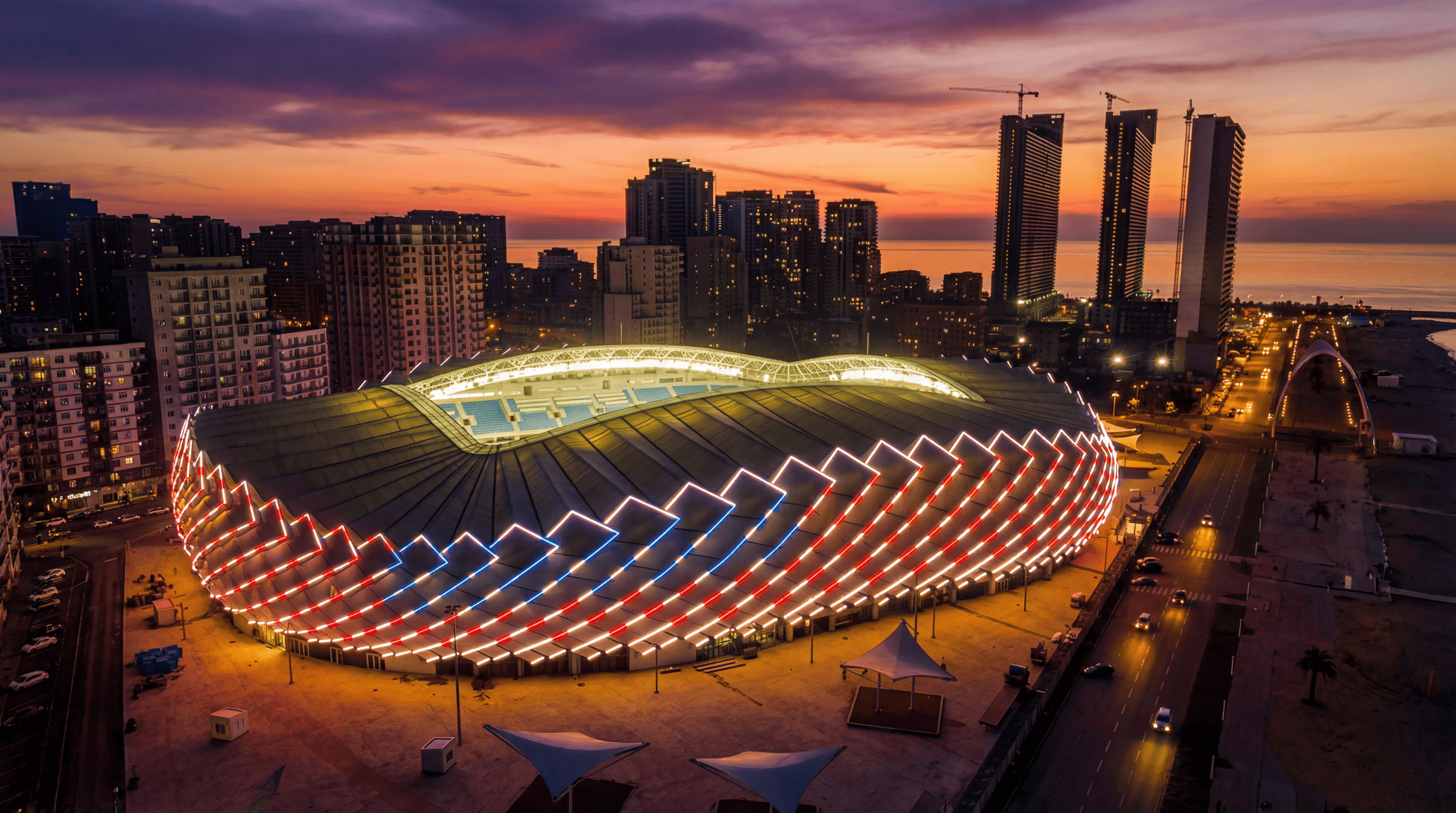
Textile facades are frequently used in the following types of buildings:

Textile facade systems have become an important engineering solution in modern building envelopes thanks to their low weight, high aesthetic flexibility, and advanced material performance. Thanks to orthotropic membrane behavior, the principle of prestressing, and advanced connection details, these systems enable the implementation of facade designs that are both durable and highly energy-efficient.

Browse the Catalog