INFLATABLE MEMBRANE SYSTEMS

INFLATABLE MEMBRANE SYSTEMS

Back

Inflatable Membrane Structures: Structural Principles, Pressure Management, and Engineering Design

INFLATABLE MEMBRANE SYSTEMS

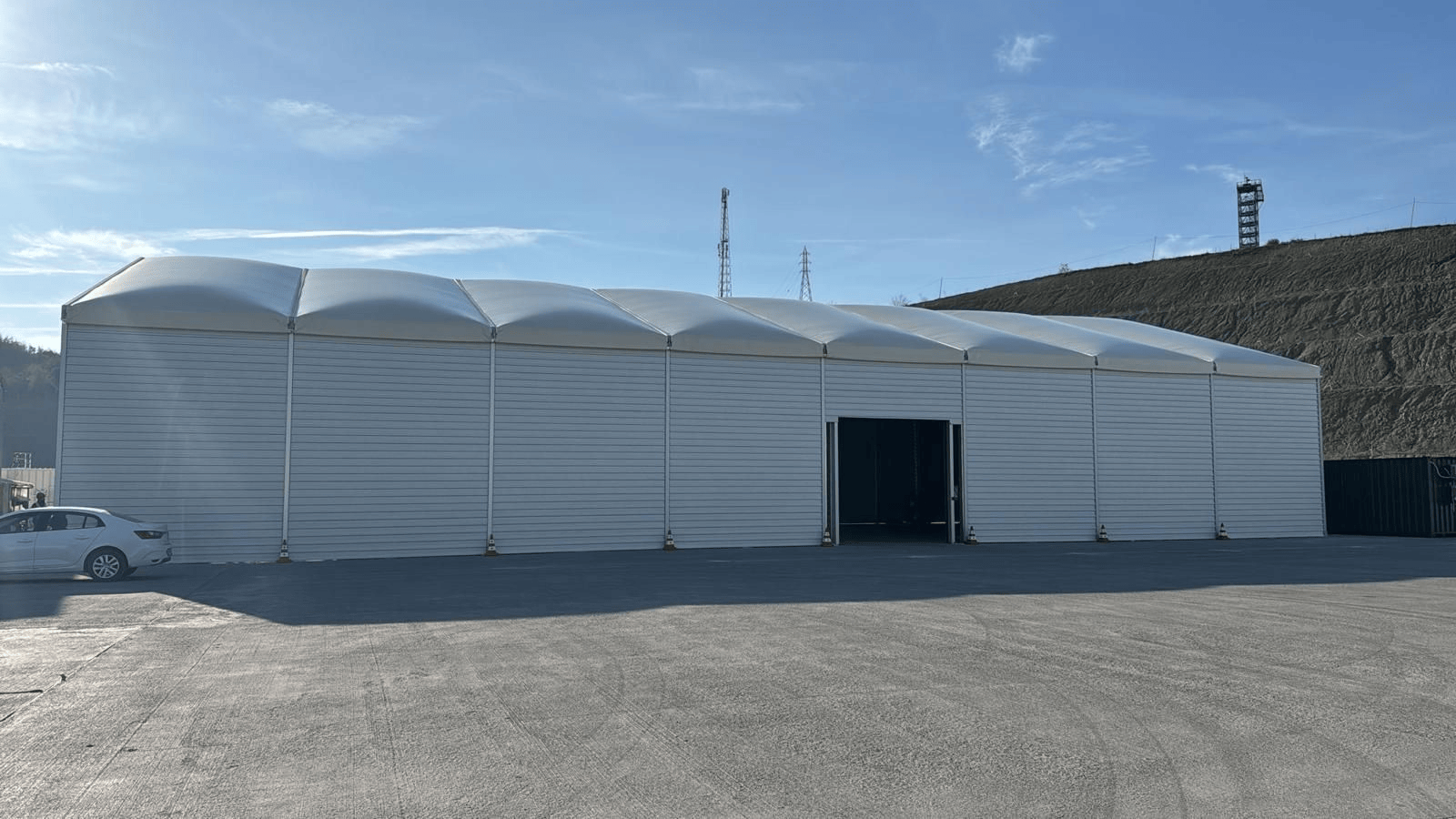
Inflatable membrane structures are lightweight, highly efficient structural systems in which one or more membrane layers are stabilized by positive internal air pressure. The system is based on pressure-supported shell behavior, in which material strain and internal pressure act in concert.

This allows for spanning wide openings with very low material density, creating lightweight roof shells, and achieving modular, portable solutions.

Get a Quote
System Description and Key Components

The main components of inflatable membrane structures are as follows:

 Membrane Layers
  • PVC-coated polyester membranes
  • PU-coated technical textiles
  • High-strength synthetic membranes (e.g., TPU composites)

These materials are suitable for inflatable structures due to their high tensile strength, flexibility, and airtightness.

 Internal Pressure Chamber

It contains one or more air chambers. The pressure range is typically:

  • 50–300 Pa (large-volume structures)
  • 1000–3000 Pa (load-bearing tubular members and form-closed members)

depending on the design objective.

Pressure Supply Systems
  • Continuously operating blower systems (for large volumes at low pressure)
  • High-pressure compact pumps (for tubular structural elements)
  • Pressure regulators
  • Sensors (pressure, temperature, and outdoor wind speed measurement)

Structural Behavior and Load-Carrying Mechanism

Unlike conventional membrane tension systems, inflatable membrane structures transfer compression through air pressure.

01 / 02
INFLATABLE MEMBRANE SYSTEMS

Analysis and Design Process

Inflatable membrane structures involve a complex fluid-structure interaction (FSI).

Form-Finding

The final shape of the inflatable membrane:

  • Target internal pressure
  • Membrane elasticity values
  • Boundary conditions

. Form-finding requires nonlinear FEA techniques.

Load Analysis

Loads typically considered in inflatable structures:

  • Wind pressure and suction forces
  • Snow loads
  • Thermal expansion
  • Pressure loss scenarios
  • Increase in membrane stress under external loads

Load combinations are solved in conjunction with internal pressure.

Pressure Safety and Redundancy

The design must include the following scenarios:

  • Blower failure (emergency reserve pressure or slow venting)
  • Automatic pressure increase under extreme wind conditions
  • Dynamic behavior of the membrane during an earthquake
  • Multi-pocket systems in the event of a rupture or damage

Material Selection and Performance Criteria

Membranes used in inflatable structures must have the following properties:

 Mechanical Strength
  • High tear resistance
  • Fatigue resistance (resistance to repeated inflation–deflation cycles)
  • High leak-tightness performance of the seams (welting)
Thermal and Environmental Resistance
  • UV Resistance
  • Stable performance between -30°C and +70°C
  • Resistance to mold, moisture, chemicals, and abrasion
Air Tightness

This is a critical parameter for the membrane surface and welded areas.
Good airtightness improves energy efficiency and reduces the load on the blower.

INFLATABLE MEMBRANE SYSTEMS

Engineering Performance

Inflatable membrane structures are evaluated according to the following performance criteria:

01 / 05
INFLATABLE MEMBRANE SYSTEMS
  • Rigidity: Control of deformation in response to changes in internal pressure
  • Safety: Ensuring controlled collapse in the event of a pressure loss
  • Energy consumption: The need for blower systems to operate continuously
  • Acoustic and thermal performance: Can be improved with multilayer inflatable surfaces
  • Maintenance requirements: Regular inspection of the membrane surface and mechanical components
INFLATABLE MEMBRANE SYSTEMS

Areas of Application

Inflatable membrane structures are used in both temporary and permanent applications:

Inflatable membrane structures are among the most flexible solutions in modern architecture, thanks to their light weight, rapid installation, ability to span wide openings, and pressure-supported structural stability. When designed with pressure control, membrane strength, and appropriate nonlinear analysis approaches, they create a safe, energy-efficient, and high-performance structural system for both permanent and temporary structures.

Browse the Catalog