ETFE SYSTEMS
Back

ETFE SYSTEMS

ETFE SYSTEMS

Structural Principles, Pressure Management, and Engineering Design

Pneumatic membrane systems are lightweight, shell-like structural elements stabilized by creating positive air pressure between two or more layers of membrane. ETFE film cushion systems are the most widely used example of this technology. Despite their low material density, these systems offer large spans, high light transmittance, and energy efficiency.

Get a Quote
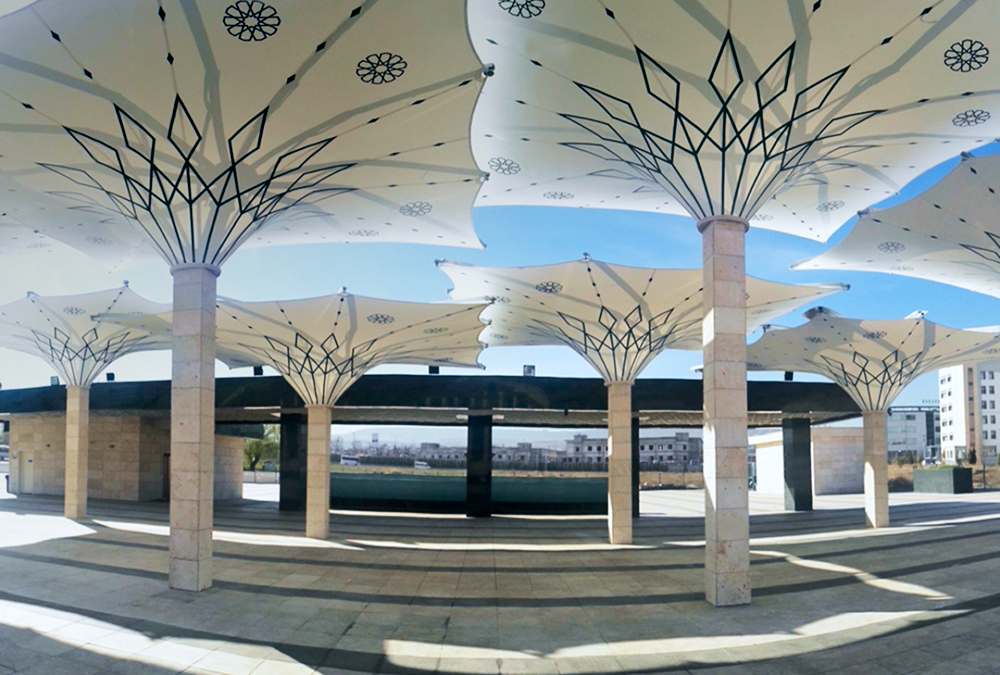
System Architecture and Key Components

The main components of pneumatic diaphragm systems are as follows:

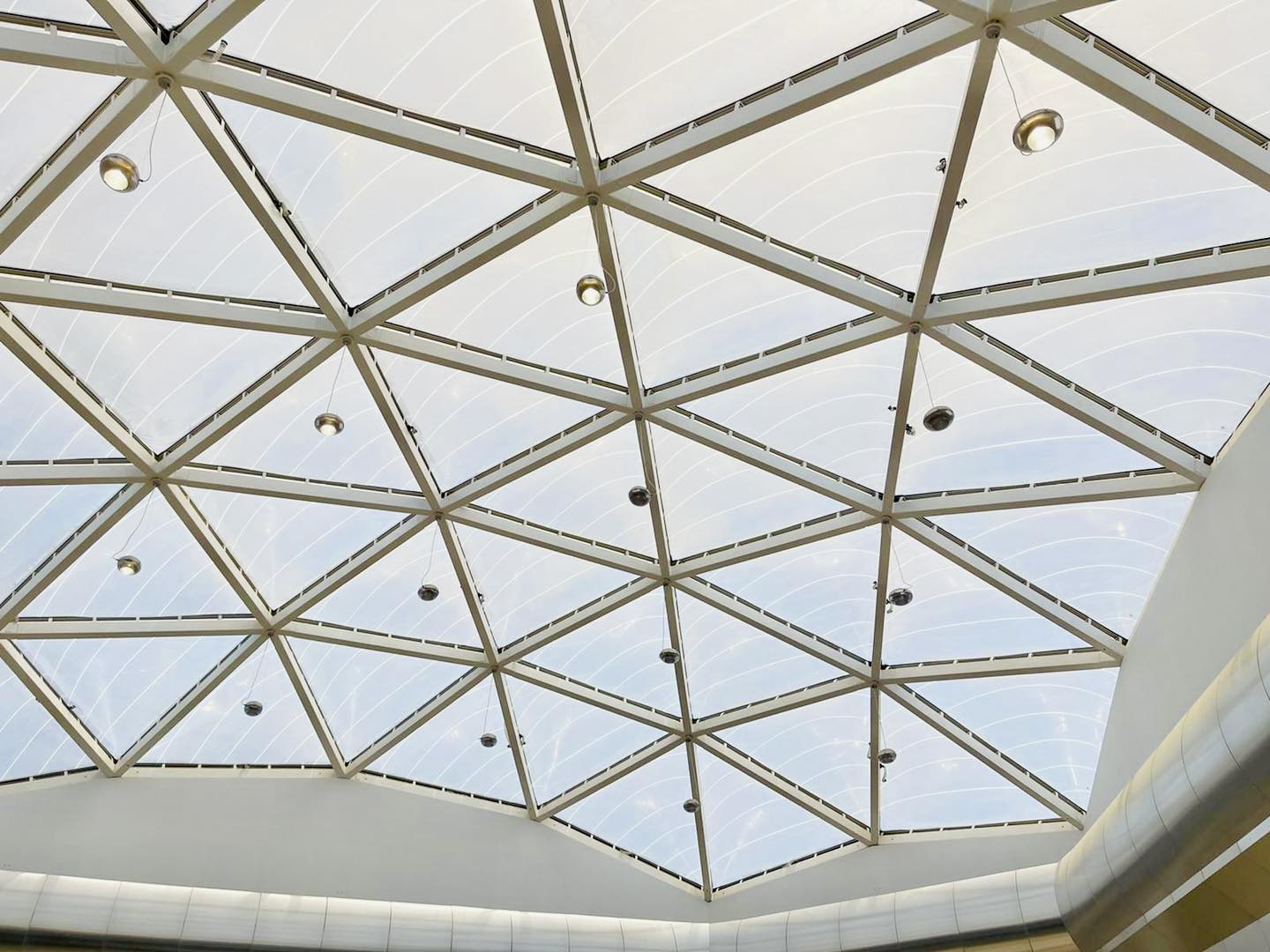
ETFE Film Layers
  • Single-, double-, or triple-layer film configurations
  • Thickness: 100–300 microns
  • Surface weight: 0.15–0.35 kg/m²
  • High-performance fluoropolymer structure with excellent chemical and UV resistance

The sheets are secured to an aluminum or steel perimeter frame using clamps or compression profiles.

Pressure Chamber (Air Cavity)

A positive air pressure in the range of 200–500 Pa is created between the layers. This pressure:

  • Shapes the cushion,
  • enables it to bear the load,
  • and ensures it remains stable in wind conditions.
Air Supply Unit
  • Fans or blower systems
  • Pressure sensors
  • Humidity control and filter assemblies
  • Emergency backup power supply

Structural Behavior and Performance

Unlike classical membrane systems, the load-bearing principle of pneumatic systems is based on pressure-supported shell behavior.

01 / 03
ETFE SYSTEMS

Pressure Control Systems

The most critical issue for pneumatic systems is uninterrupted pressure management.

Pressure Sensors

The system continuously measures internal and external pressure and sends data to the blowers.

Automatic Pressure Regulation

Depending on wind and snow loads:

  • Pressure is increased (for stability under load),
  • Pressure is reduced (for thermal expansion or energy efficiency).

Backup Power and Emergency Scenarios

  • UPS- and generator-supported blowers
  • Safe geometry is maintained in the event of pressure loss
  • Safety valves that allow the cushions to deflate slowly

Analysis and Design Process

Pneumatic system design involves the integration of three engineering disciplines: diaphragm analysis, fluid–structure interaction, and control system design.

Form-Finding

The cushion’s design shape is determined using FEA-based nonlinear analysis. The curved geometry results from the uniform distribution of internal pressure across the membrane.

Stress Analysis

Maximum stresses must remain below the design stress limits for the ETFE film (approximately 12–18 MPa operating limit).

Edge and Connection Details
  • Drainage channels
  • Compression Profiles
  • Cushion compartments (multi-chamber cushions)
  • Water drainage details

Design is of critical importance in terms of both airtightness and membrane lifespan.

ETFE SYSTEMS
ETFE SYSTEMS

Energy and Light Performance

One of the most significant advantages of pneumatic membrane systems is that they provide high light transmittance and energy control.

01 / 03
ETFE SYSTEMS
ETFE SYSTEMS
ETFE SYSTEMS

Light Transmittance

  • Single-layer ETFE: 85–95%
  • Multi-layer cushions: 50–80%
  • Can be optimized by applying a shading print.

Thermal Performance

  • With multi-layered cushions, the U-value can be reduced to 1.5–2.5 W/m²K
  • The g-value can be reduced with solar control coatings

Thermal Expansion

ETFE’s high coefficient of thermal expansion requires provision for movement in the detailed design.

ETFE SYSTEMS
ETFE SYSTEMS
ETFE SYSTEMS

Areas of Application

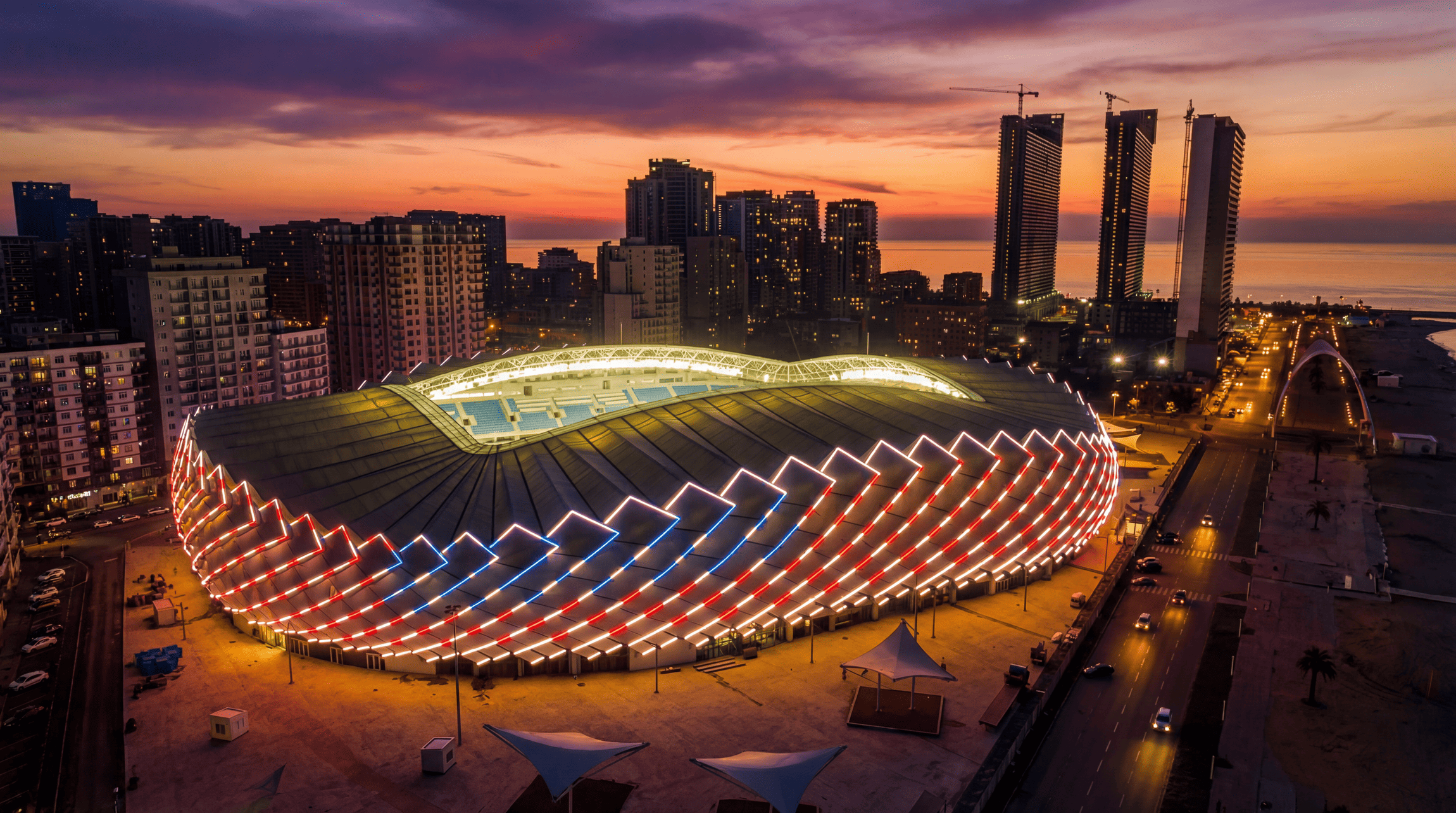
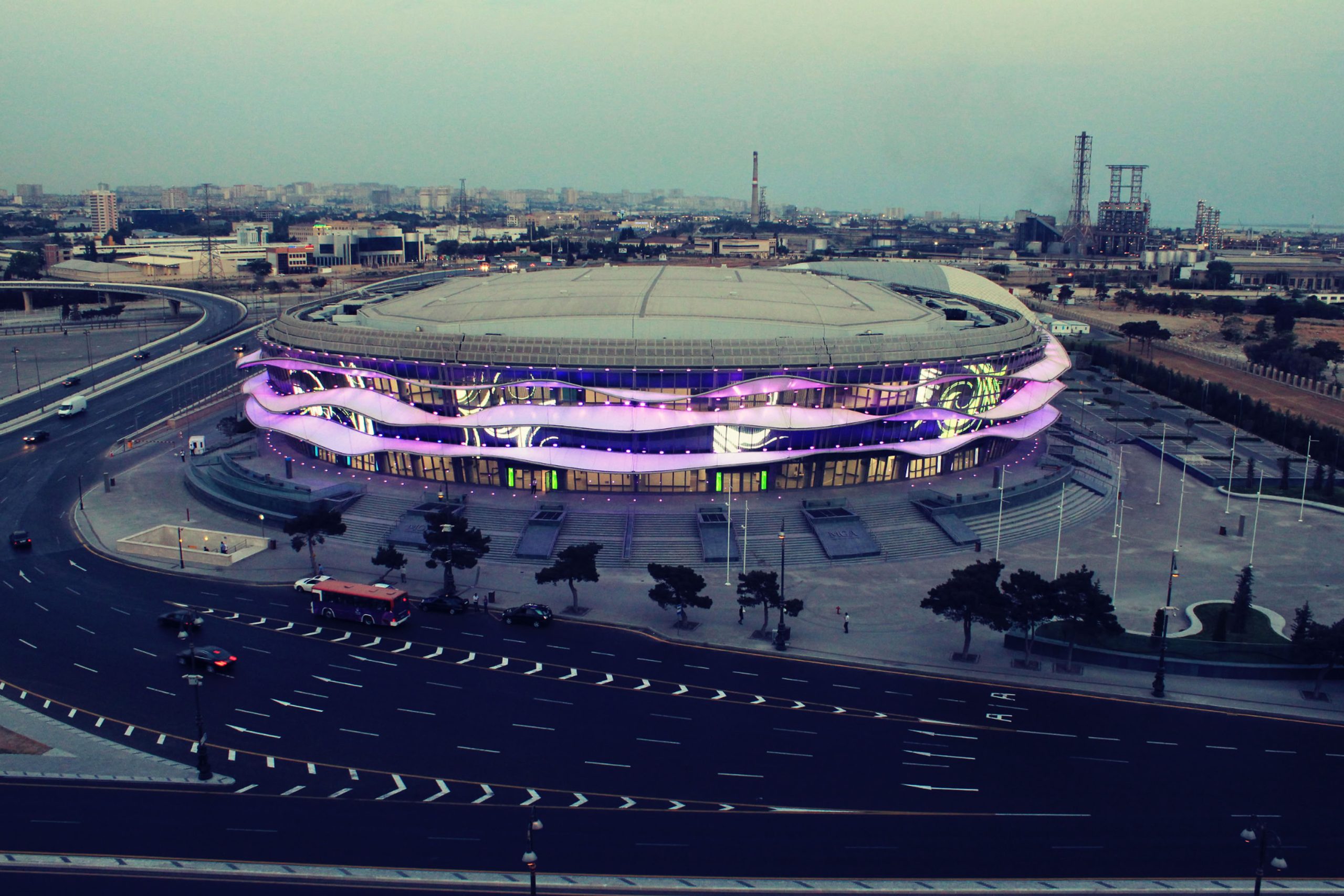
Pneumatic diaphragm systems are commonly used in the following types of structures:

Thanks to pneumatic membrane systems, lightweight material technology, positive-pressure-supported stability, and high light transmission, these solutions rank among the most innovative roofing and facade solutions in modern architecture. ETFE cushion structures offer a durable, safe, and highly efficient membrane solution through precise pressure control, nonlinear structural analysis, and robust detail design.

Browse the Catalog