SUSPENSION AND TENSION SYSTEMS

SUSPENSION AND TENSION SYSTEMS

Back

Suspension Systems: Structural Design Principles, Modularity Concepts, and Engineering Performance

SUSPENSION AND TENSION SYSTEMS

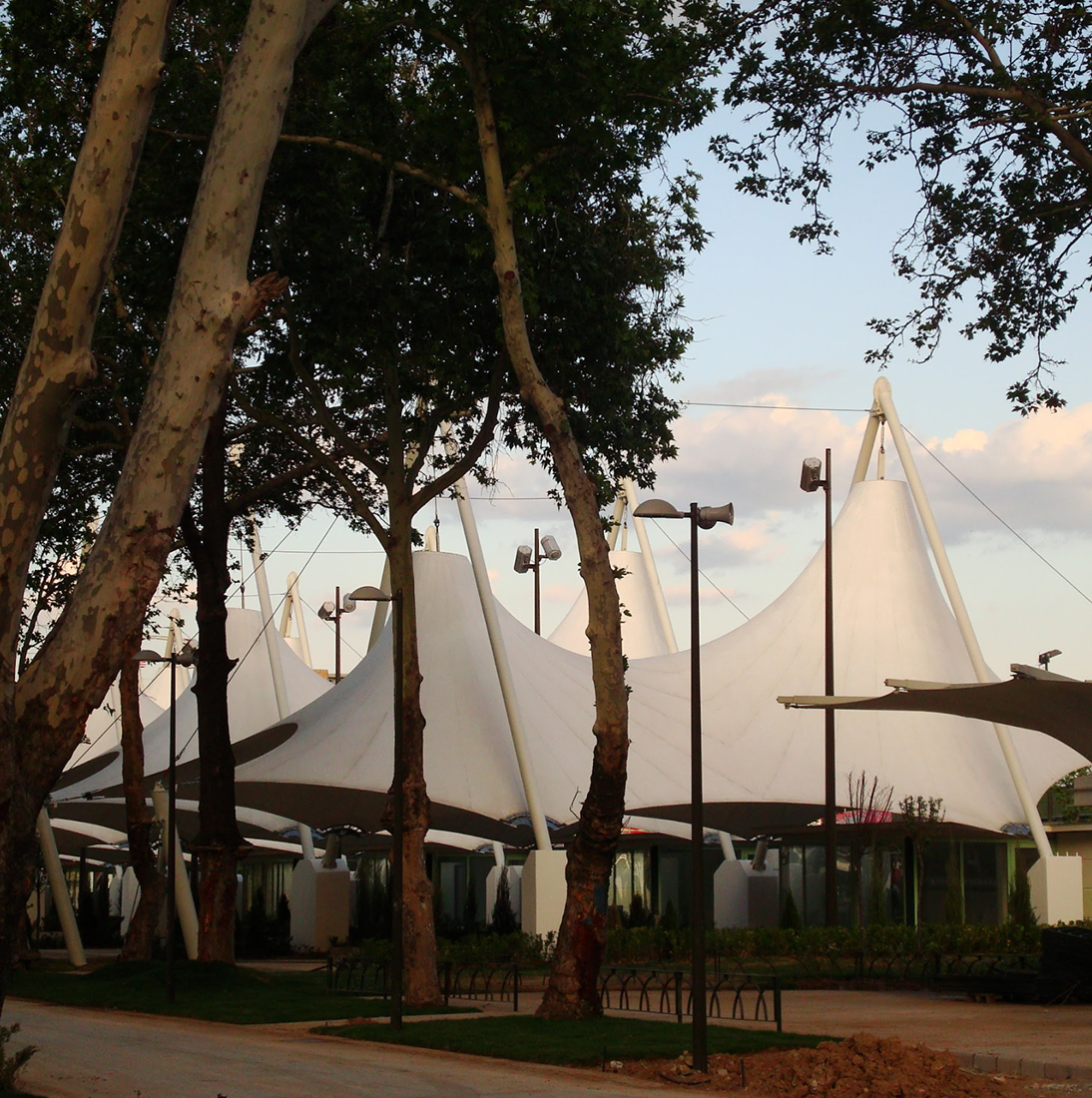
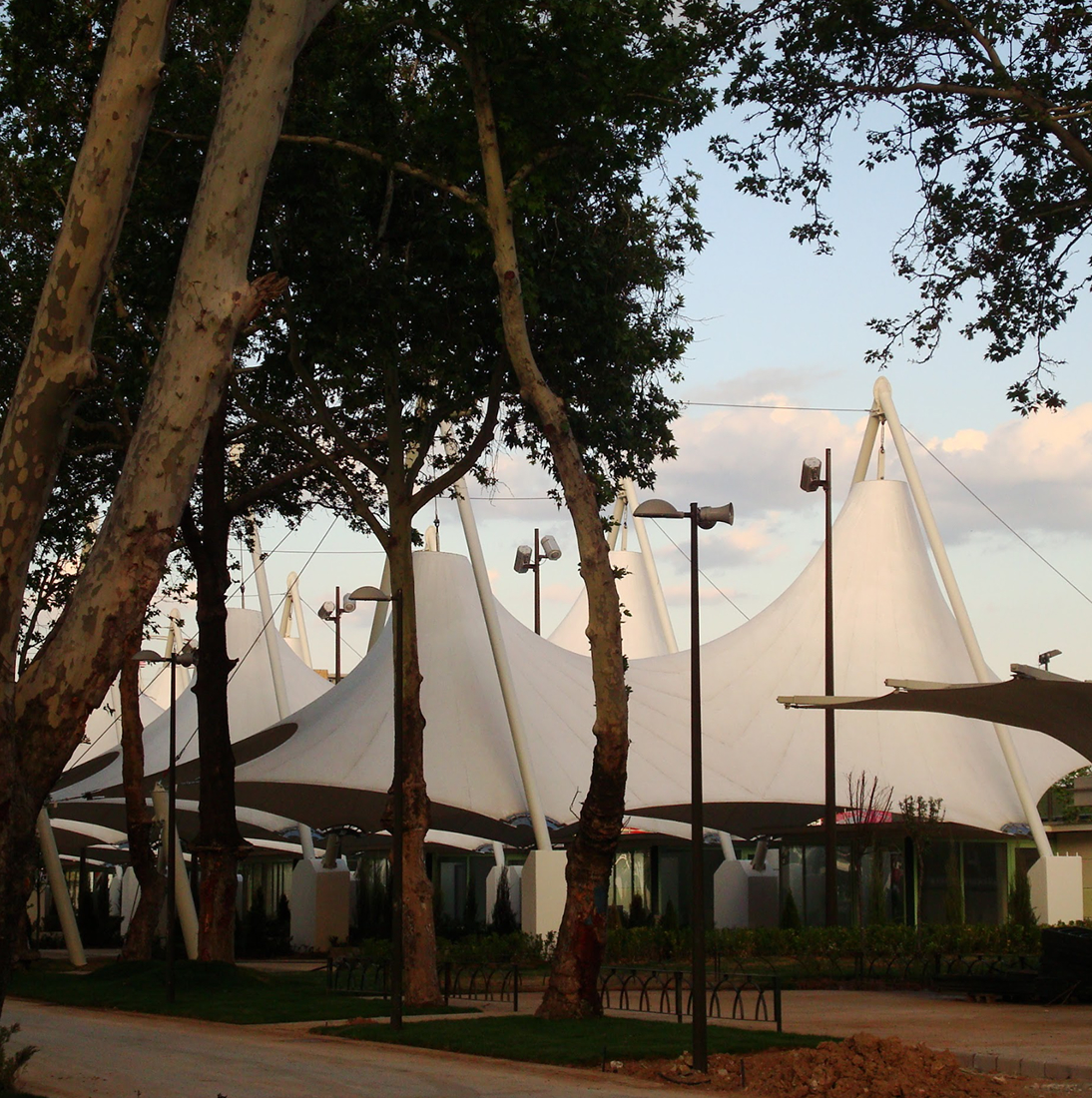
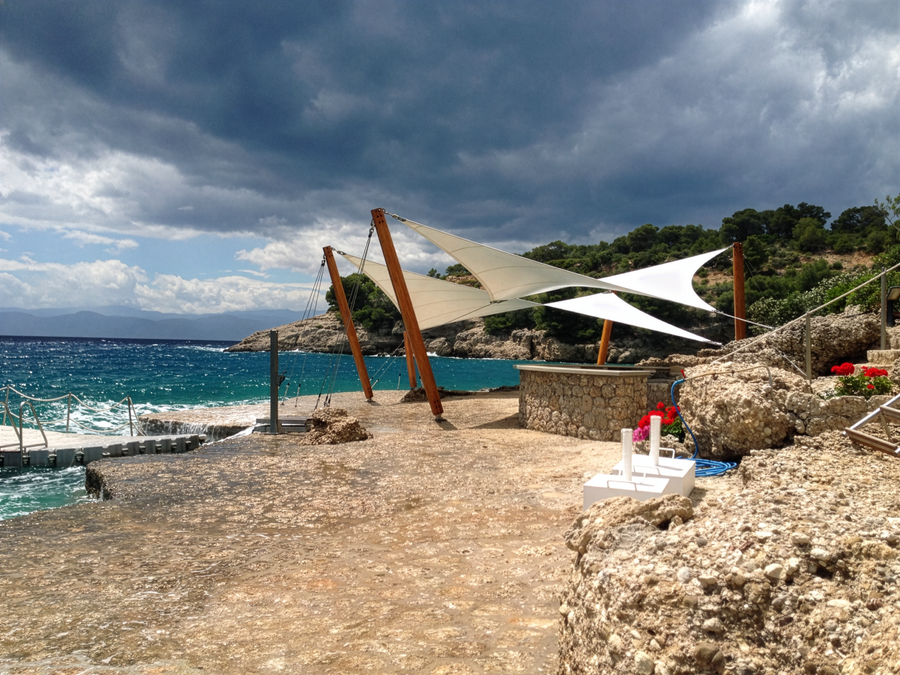
Tensioned membrane systems, as the name implies, are structures anchored at specific points and operating under tensile force. The membrane covers used in these systems are thin yet highly tensile-resistant materials that, thanks to their light weight, can easily span wide openings.

Get a Quote
Structural Principles

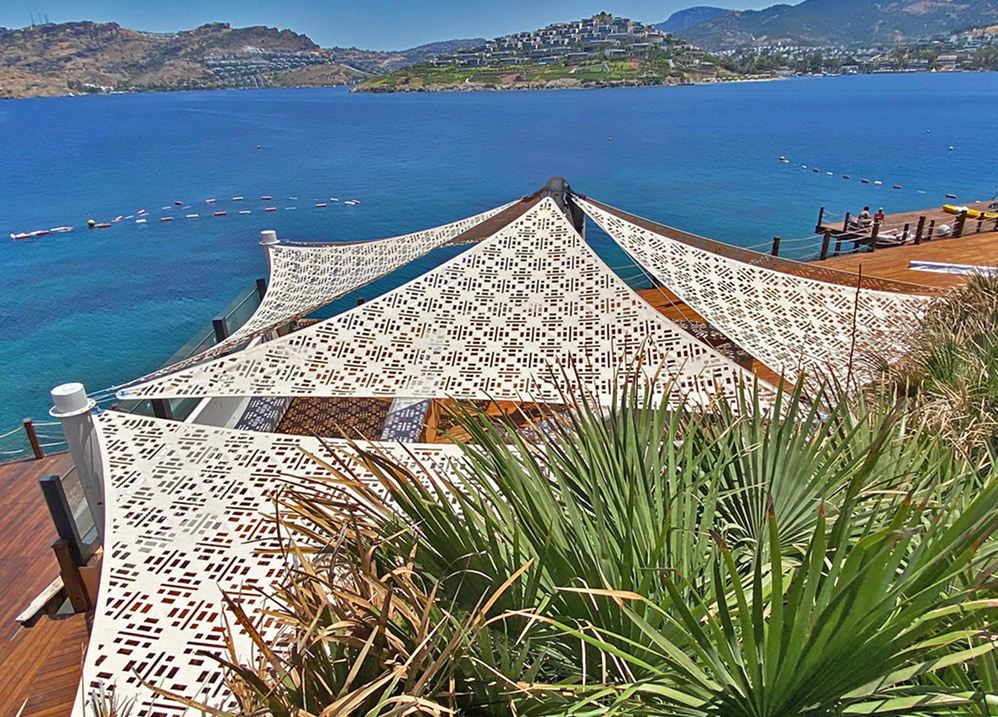
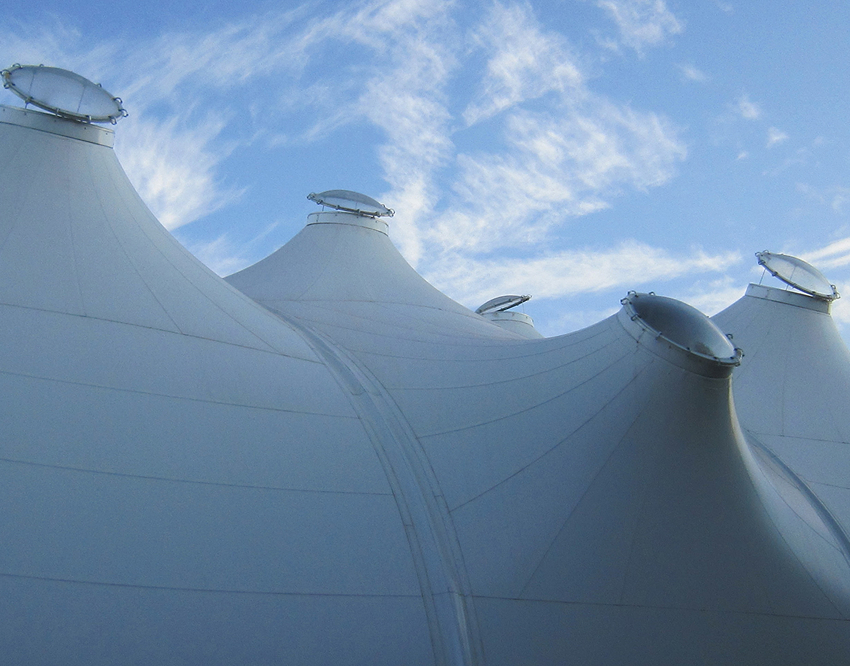
Suspended tension modular systems are based on the principle that the membrane surface operates stably under tensile stresses. Each module is a self-supporting unit that maintains its own shape; when combined, they form a larger surface.

Woven Membranes:
  • Unlike standard PVC materials commonly known as “tarps” on the market, these are woven from polyester, glass fiber, or silicone-based yarns.
  • This woven structure provides the material with flexibility and high tensile strength.
Non-Woven Membranes:
  • These are materials produced in a foil-like, non-woven structure (e.g., ETFE).
  • They offer the advantages of high light transmittance and light weight.
SUSPENSION AND TENSION SYSTEMS

Coating Technology

The primary fabric of the membranes is coated with special layers to ensure resistance to outdoor environmental conditions:

  • PVC Coating: Provides UV resistance, protection against soiling, and color stability.
  • PTFE (Teflon) Coating: Fire-retardant, self-cleaning, and ideal for structures with a lifespan of 25+ years.
  • Silicone Coating: Used in projects requiring high-temperature resistance and flexibility.
  • TiO₂ (Titanium Dioxide) Coated Materials: Adds photocatalytic properties that reduce air pollution.

These coatings ensure that the material is durable, resistant to deformation, and requires minimal maintenance.

Performance and Engineering Criteria

01 / 04
SUSPENSION AND TENSION SYSTEMS
  • Lightweight: With a surface weight ranging from 700 to 1,500 g/m², it weighs 1/30 as much as steel or concrete.
  • Tensile Strength: 3,000–10,000 N/5 cm (varies depending on the type of material).
  • Flexibility: The ability to undergo elastic deformation under wind and snow loads.
  • Surface Tension Optimization: The prestress created by tensile force ensures that the material remains stable under dynamic loads.
SUSPENSION AND TENSION SYSTEMS

Areas of Application

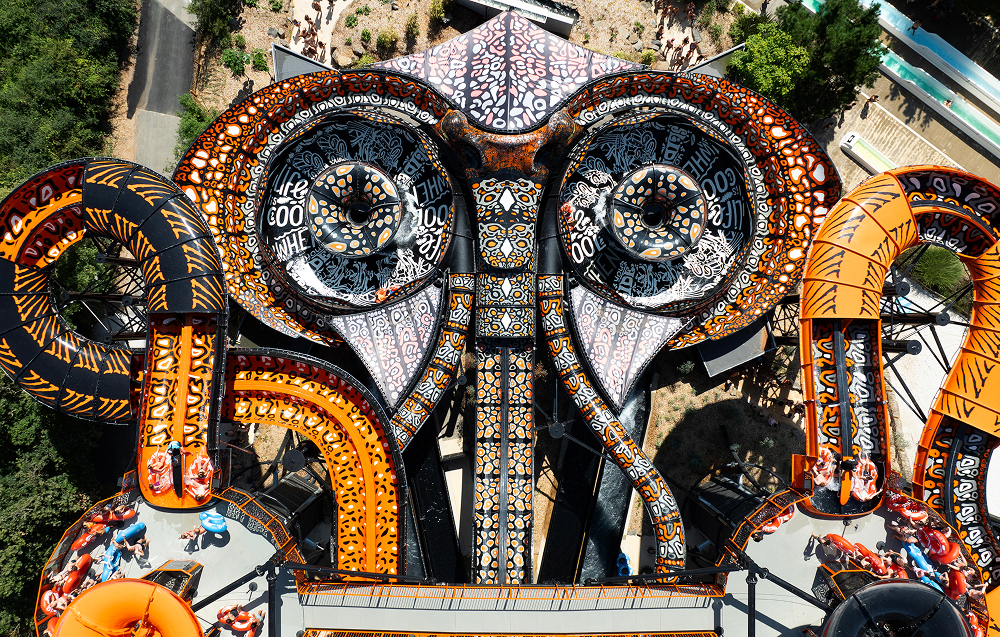
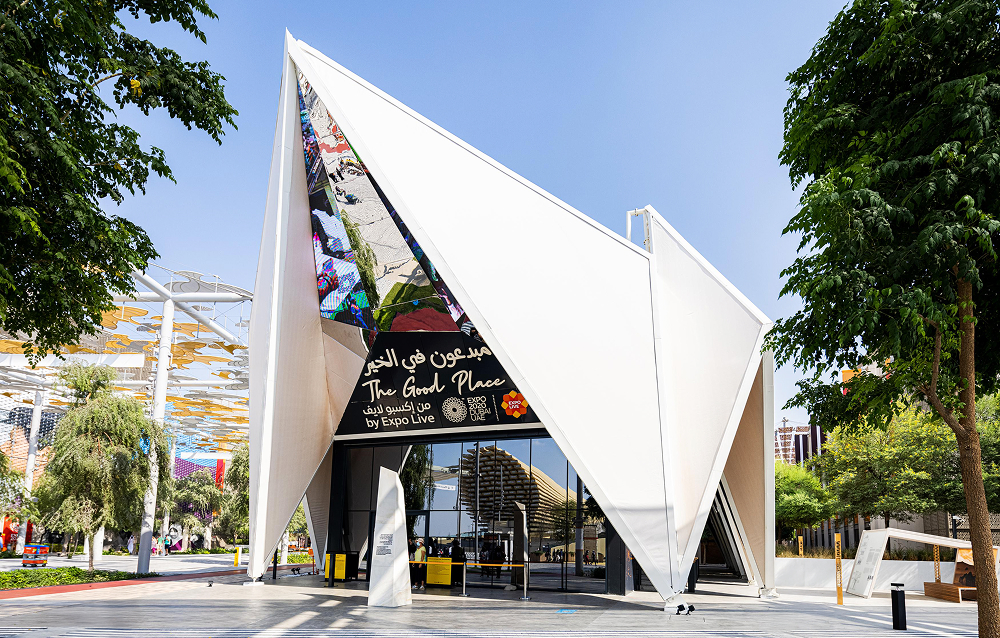
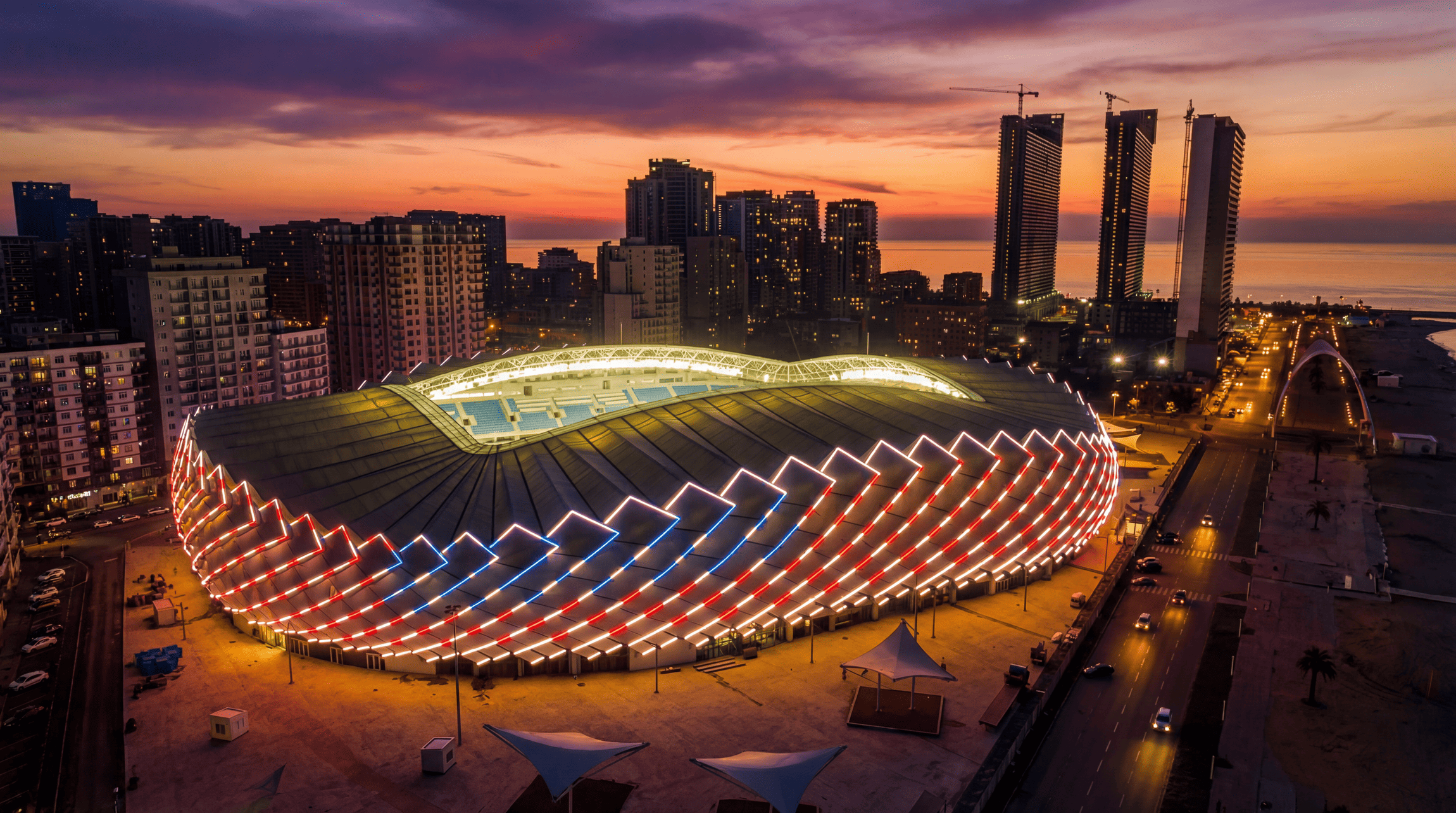
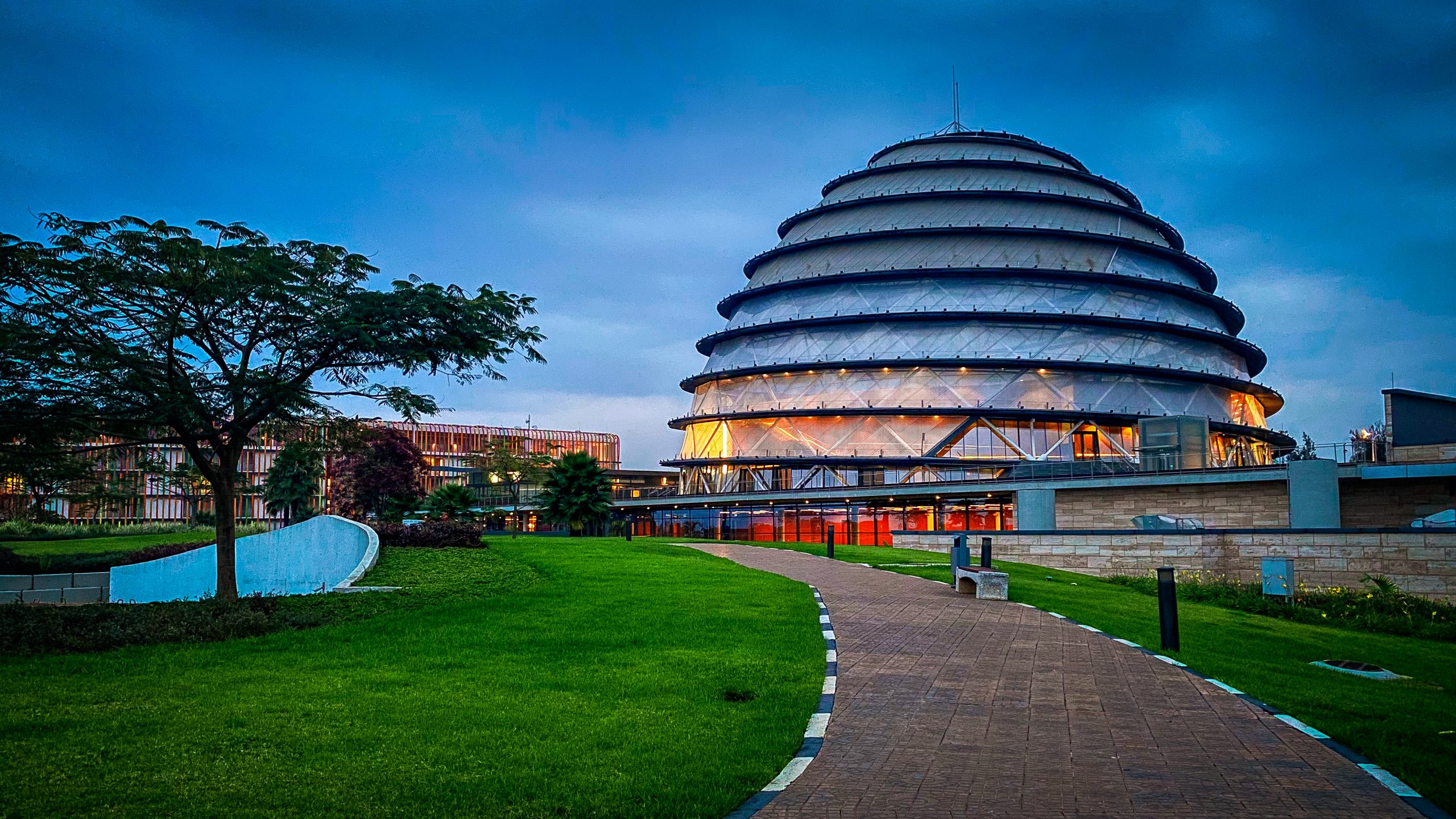
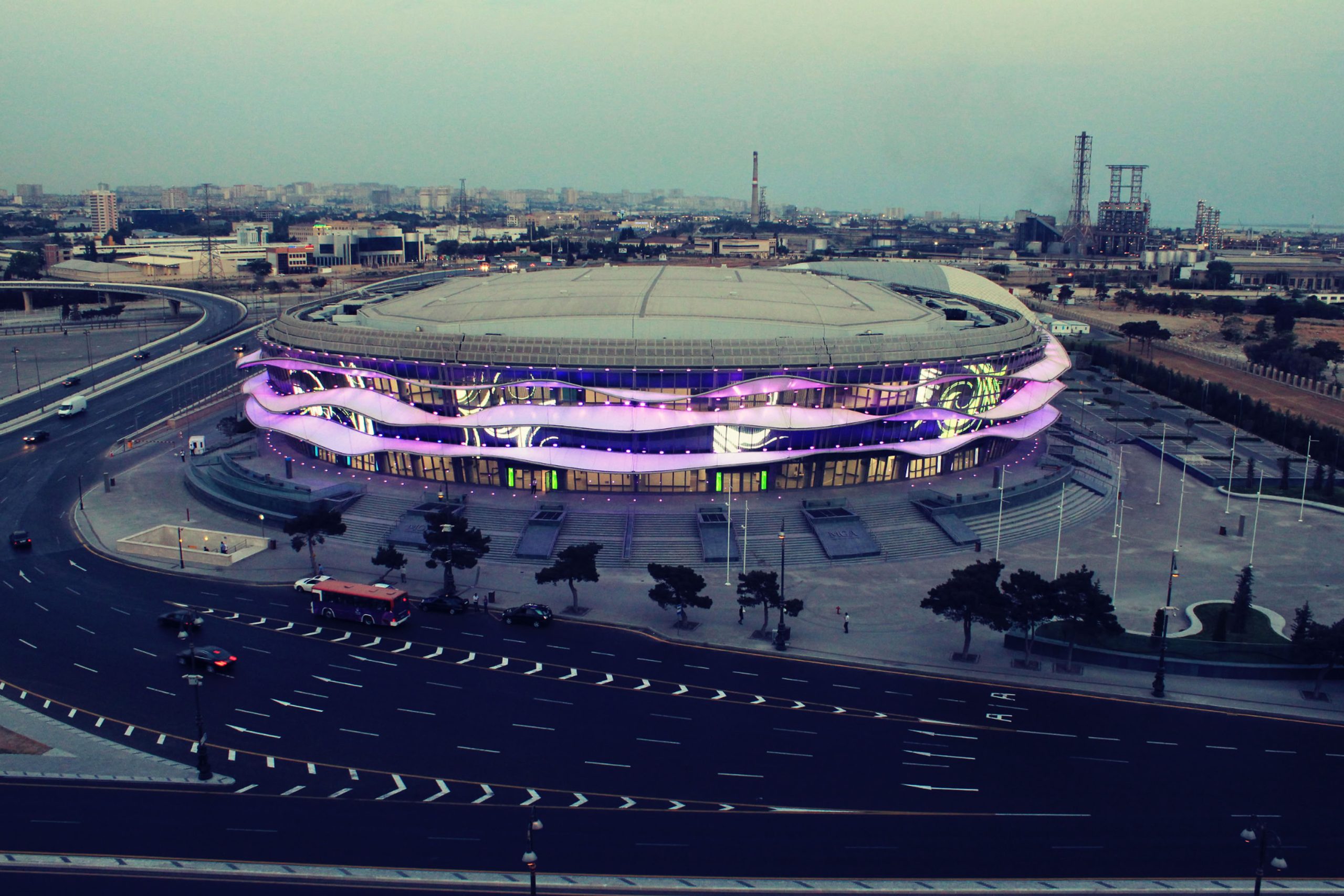
Modular suspension systems are typically used in the following areas:

Tensioned membrane structures are smart solutions developed through the synergy of materials science and structural engineering. By selecting the right coating and weaving technologies, architectural aesthetics, functionality, and durability can be combined.

Browse the Catalog