MODULAR SYSTEMS

MODULAR SYSTEMS

Back

Suspension and Tension Modular Systems: Structural Design Principles, Modularity Logic, and Engineering Performance

MODULAR SYSTEMS

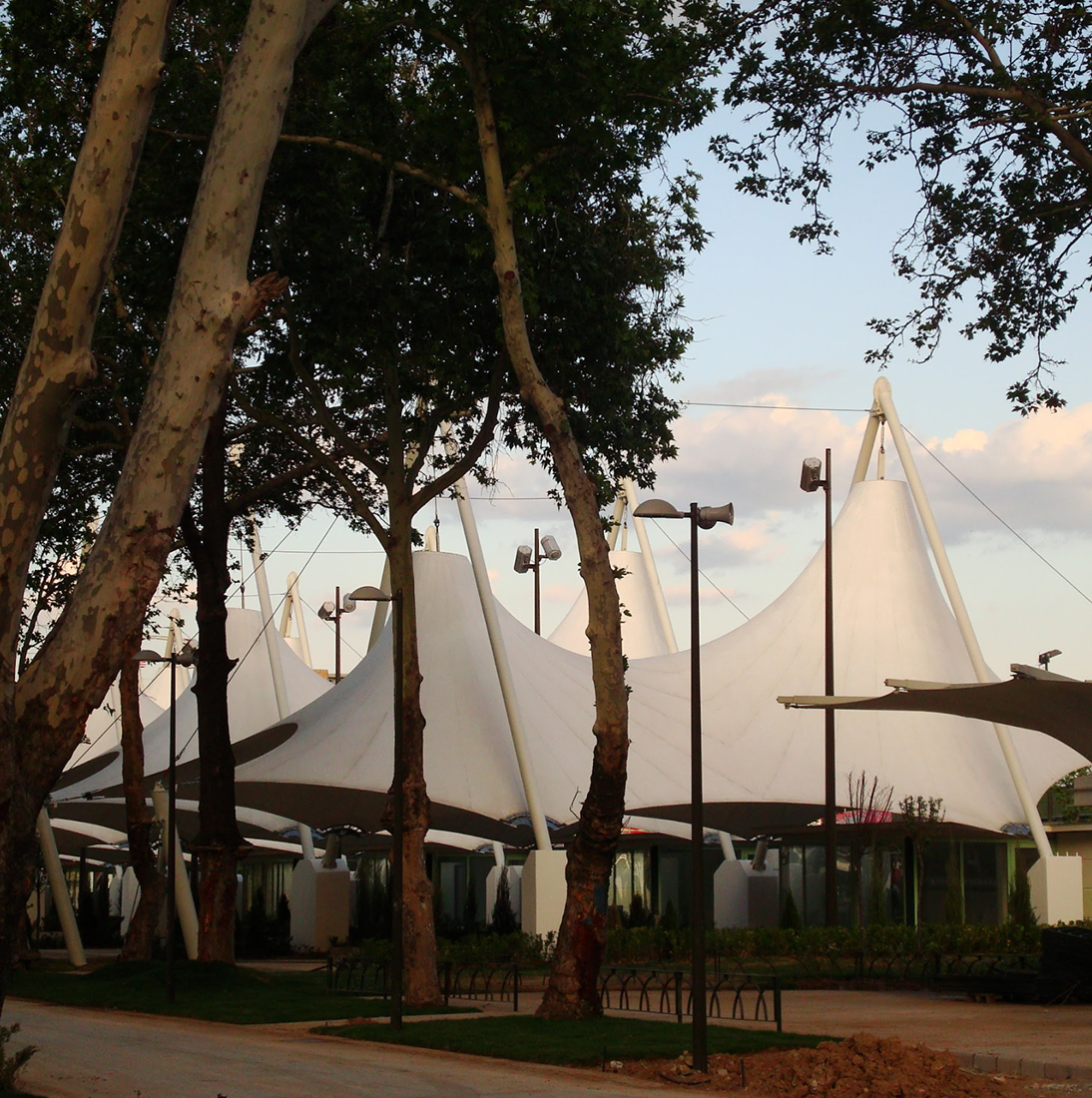
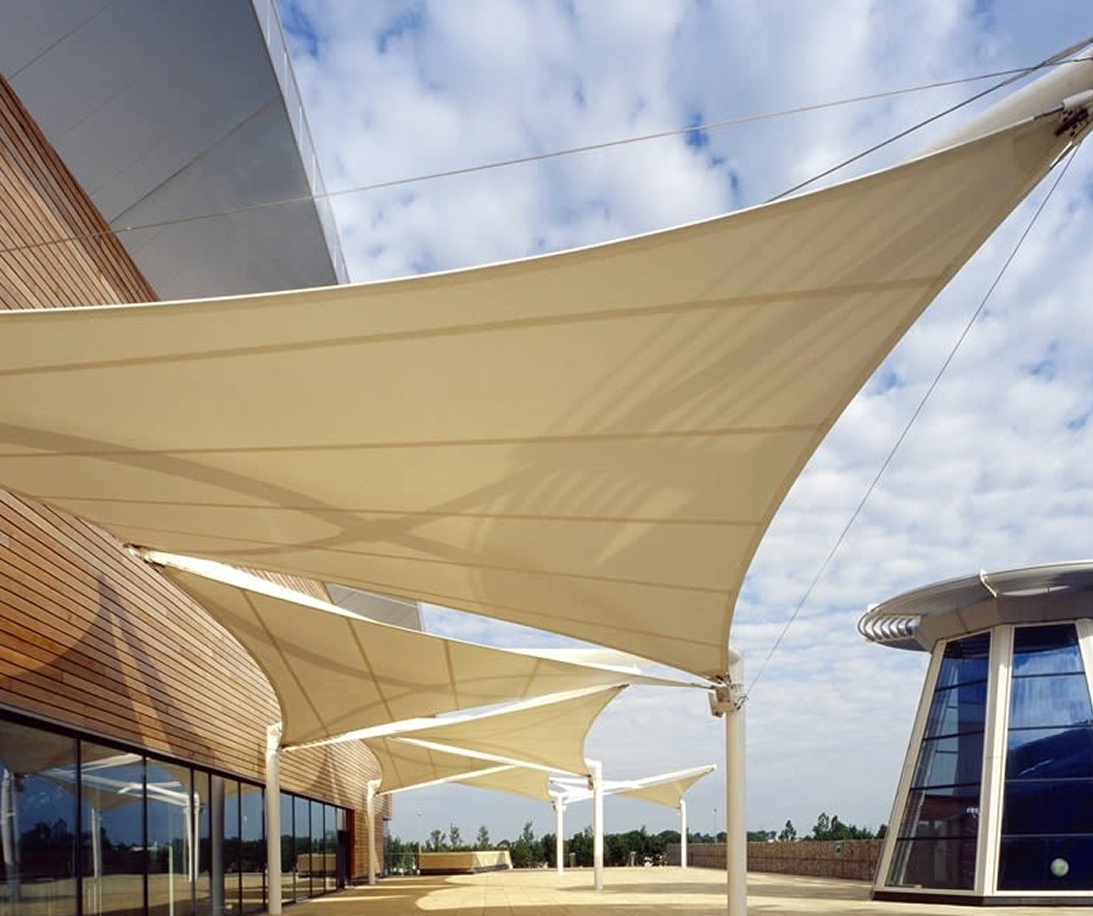
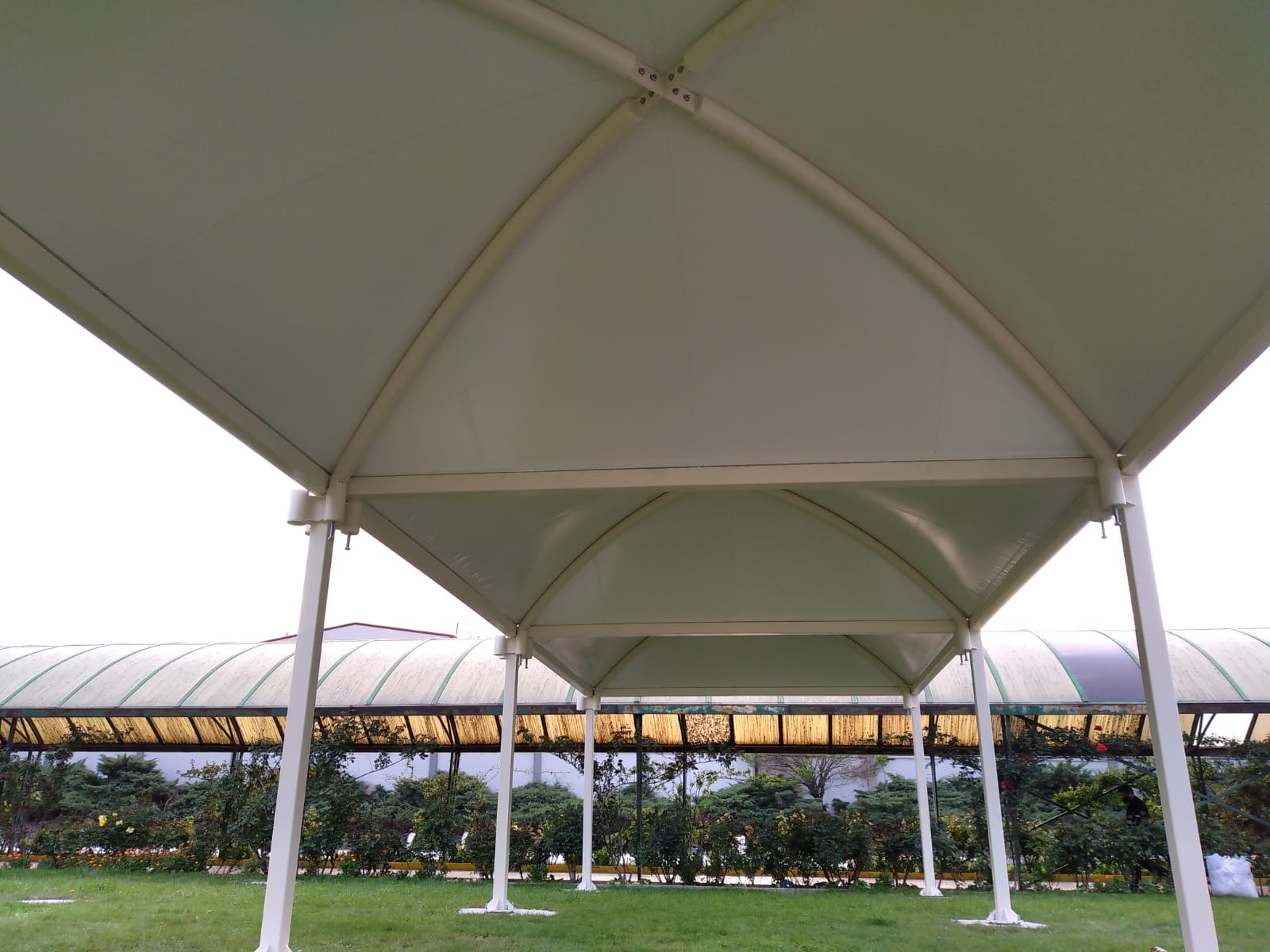
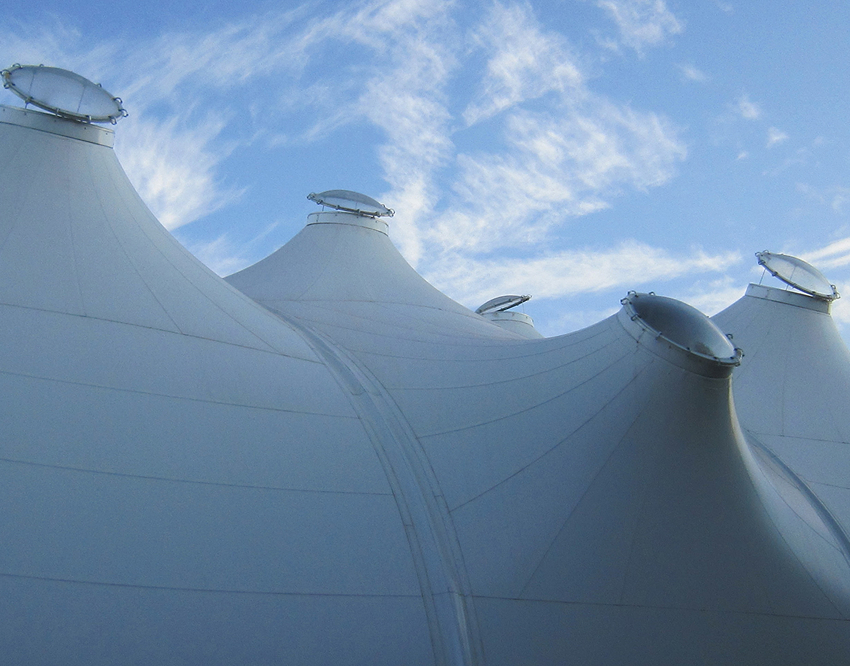
Suspended tension modular systems are lightweight, flexible, and high-performance surface systems created by assembling individual membrane panels in a specific geometric pattern. The modular design enables rapid production, mass installation, easy maintenance, and scalability.

These systems are widely used for shading structures, temporary architectural solutions, atrium cladding, and lightweight roofing systems.

Get a Quote
Structural Principles

Suspended tension modular systems are based on the principle that the membrane surface operates stably under tensile stresses. Each module is a self-supporting unit that maintains its shape; when joined together, they form a larger surface.

Pre-Tensioning

On the edges of each membrane module:

  • 1–6 kN/m pre-tensioning
  • Orthotropic material behavior
  • Cord–profile

ensures surface stability. Pre-tensioning prevents buckling within the module and provides resistance against wind loads.

Boundary and Connection Elements

Modules typically feature the following boundary elements:

  • Steel or aluminum frame profiles
  • Cable edge details
  • Cable channels
  • Module-to-module connection brackets

While the supporting subsystem remains stationary, the membrane modules are tensioned and installed independently.

The Logic of Modularity and System Design

In modular systems, the primary goal of design is to create repeatable panel types.

01 / 03
MODULAR SYSTEMS

Materials Technology

Membranes used in modular suspension systems:

  • PVC/PES membranes
  • PTFE-coated glass fiber
  • PU- or silicone-coated technical textiles

. The flexibility, UV resistance, and pre-tensioning capacity of these materials affect the longevity of the modular system.

Edge Details

  • Edge Profiles
  • Steel Cable Edges
  • Load-bearing webbing

Inter-module connections can be designed as open joints when sealing is not required.

Structural Analysis and Calculation Process

In modular systems, the analysis process involves both the behavior of a single module and the interaction of the entire surface.

Single-Module Analysis

Each module:

  • Form-finding
  • Nonlinear membrane analysis
  • Is evaluated using maximum stress control.
System-Wide Interaction

Wind load effects can create different pressure zones between modules. Therefore:

  • Wind tunnel simulations
  • Shear force analysis at module connection points
  • Moment transfer from the modules to the load-bearing subsystem

are calculated.

MODULAR SYSTEMS
MODULAR SYSTEMS

Performance Criteria

Performance objectives for suspended tension modular systems:

01 / 03
MODULAR SYSTEMS
MODULAR SYSTEMS
MODULAR SYSTEMS

Structural Performance

  • No cracking due to insufficient tension
  • Control of flapping under wind loads
  • Modules operating rigidly in conjunction with the subsystem

Aesthetic and Functional Performance

  • Visual consistency of repeating module geometries
  • Surface continuity (e.g., minimal seams)
  • Shading and lighting performance

Maintenance and Replaceability

The modular design allows for the replacement of only the affected unit when a panel is damaged. This offers a significant advantage, particularly in open-air structures.

MODULAR SYSTEMS
MODULAR SYSTEMS
MODULAR SYSTEMS

Areas of Application

Suspended modular systems are typically used in the following areas:

Suspended tension modular systems are one of the indispensable solutions in modern architecture thanks to features such as light weight, quick installation, ease of maintenance, and aesthetic flexibility. With proper pretensioning, a modular panel design, durable edge details, and a reliable supporting subsystem, it is possible to create a surface system that is both durable and high-performing.

Browse the Catalog