03.09.2026
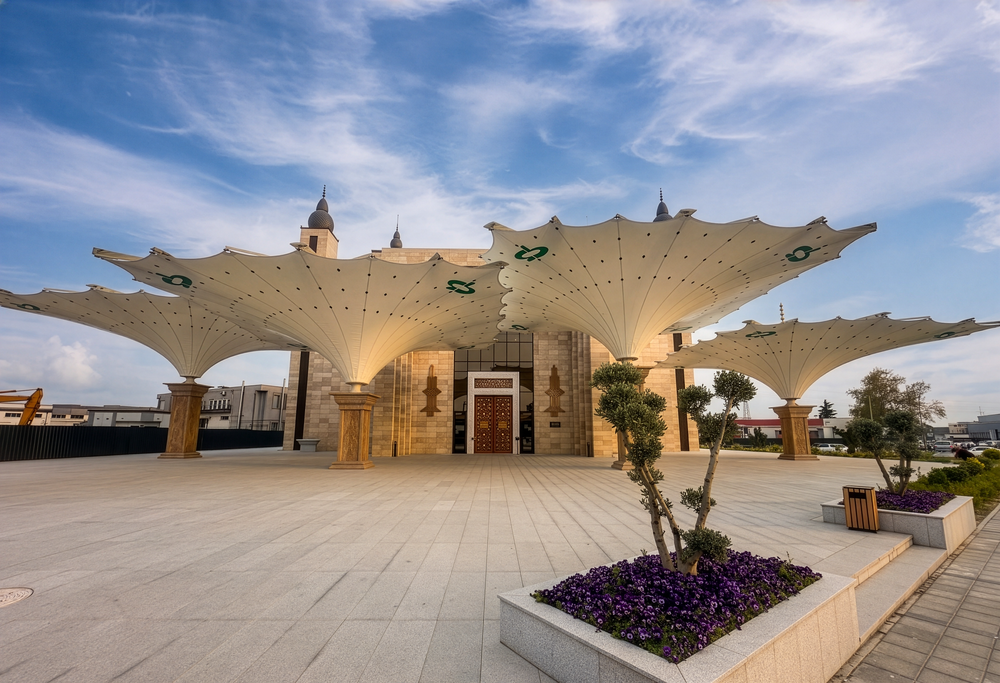
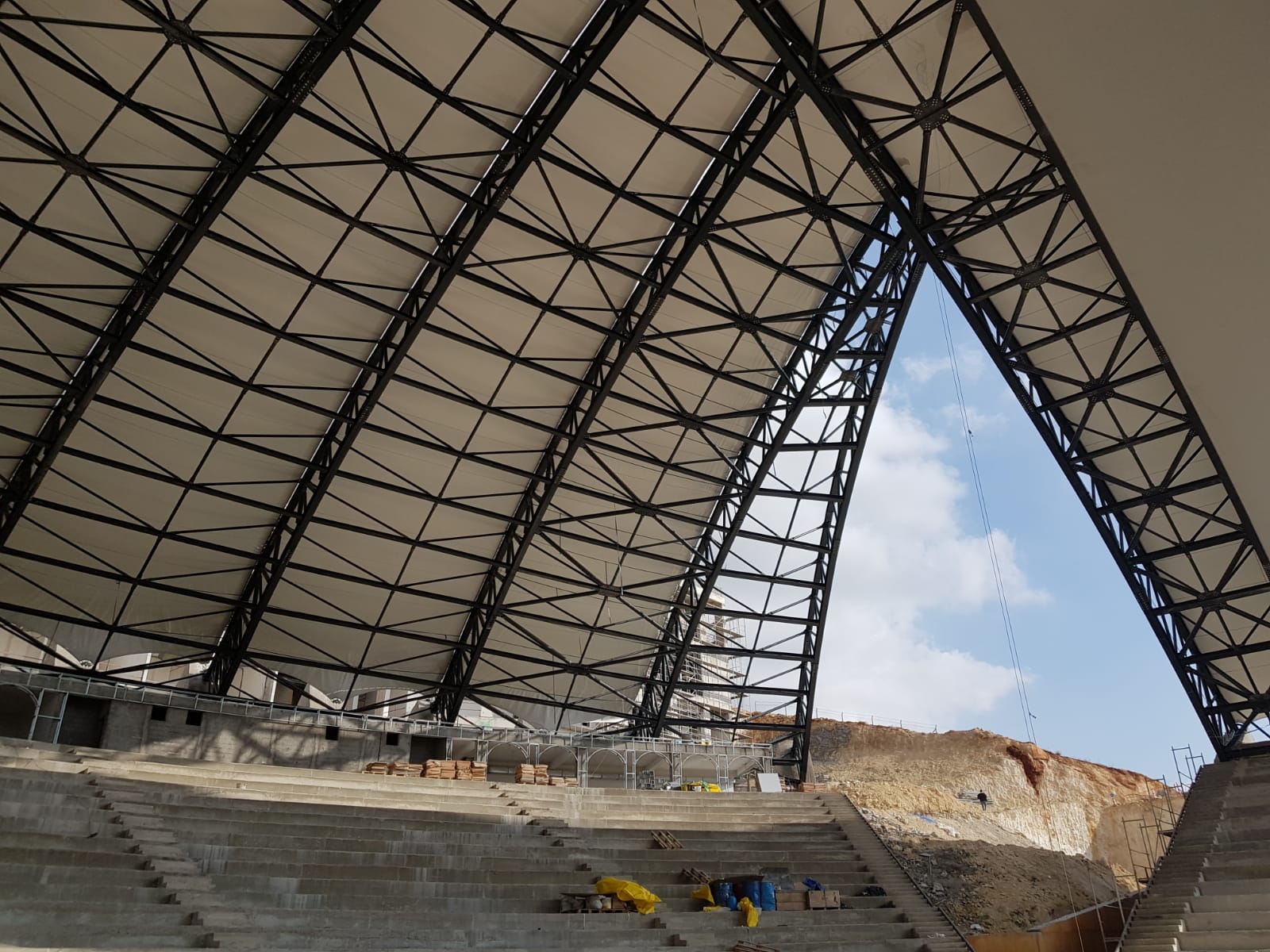
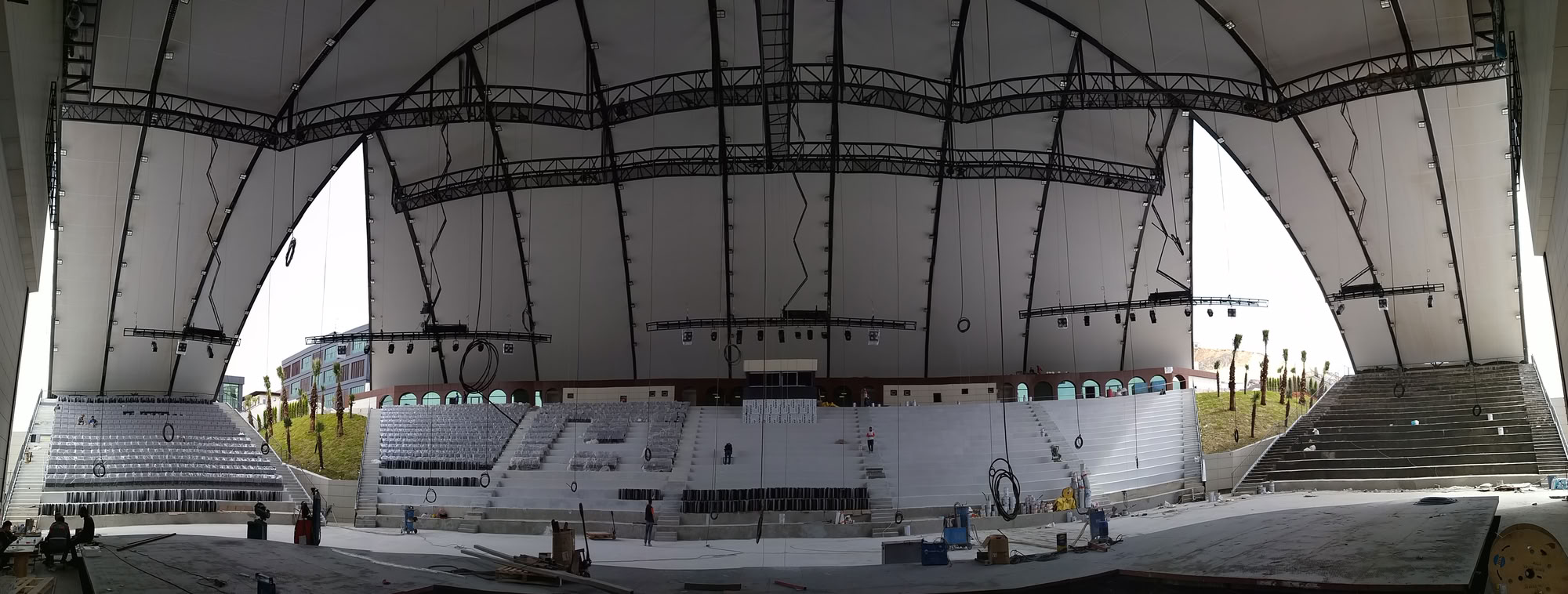
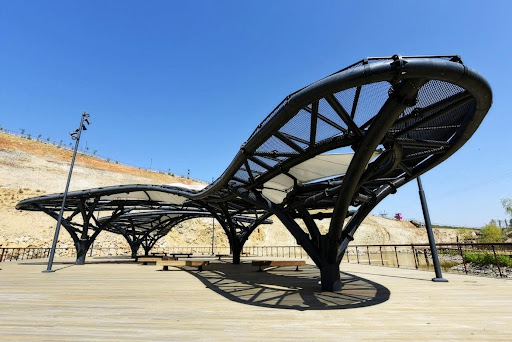
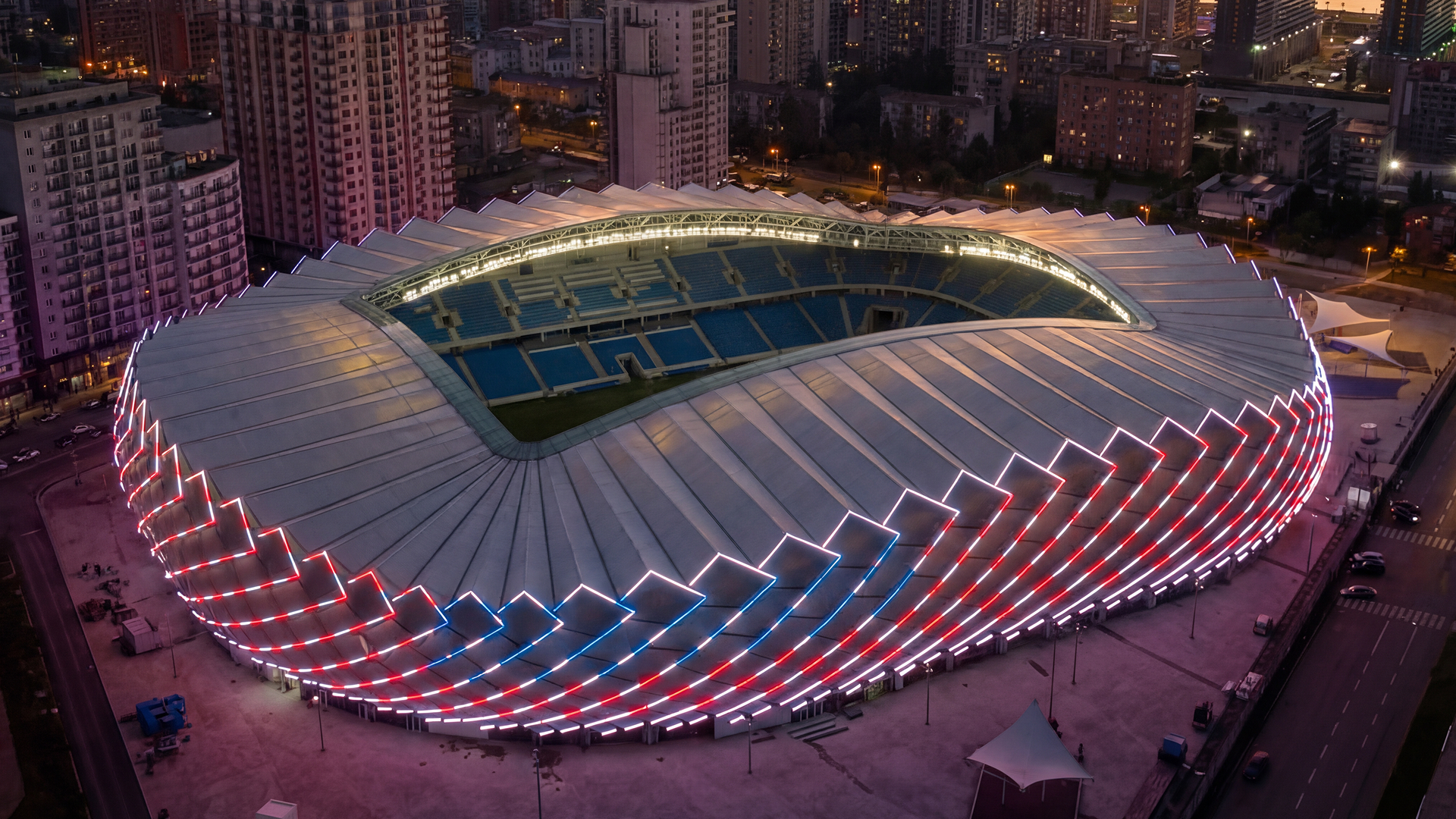
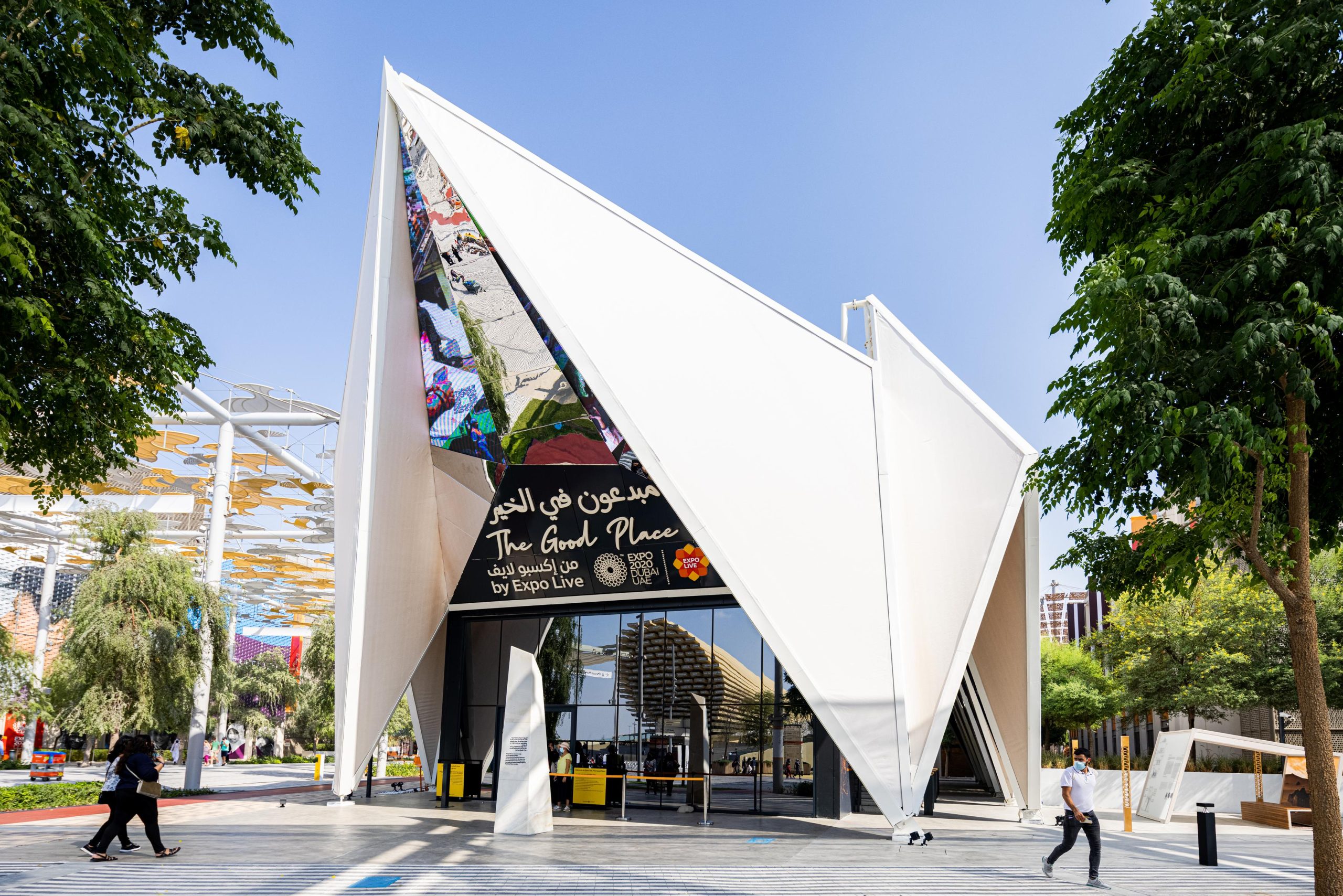
Suspended tensile systems, as the name suggests, are structures that are fixed at certain points and operate under tension force. The membrane covers used in these systems are thin but high tensile strength materials with the ability to easily pass through wide openings thanks to their light weight.
Material Structure and Diversity
- Woven Based Membranes:
- Unlike standard PVC materials known in the market as “tarpaulin”, they are woven from polyester, glass fiber or silicone–based
- This woven structure gives the material flexibility and high tensile strength.
- Non-Woven Membranes:
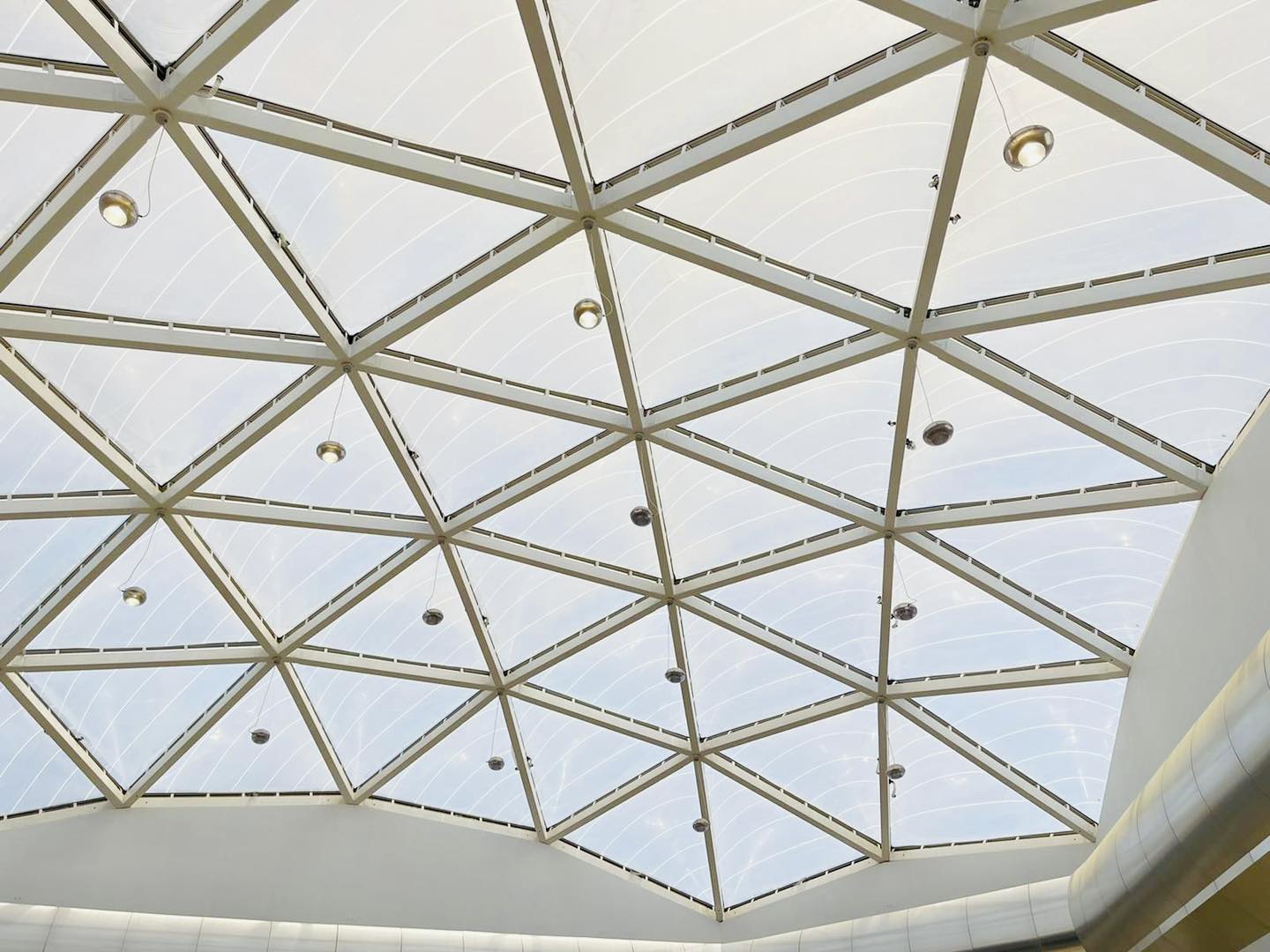
- Foil-like, non-woven materials (e.g. ETFE).
- Offers the advantage of high light transmittance and light weight.
- Coating Technology
The main woven material of the membranes is coated with special layers to provide resistance to outdoor conditions:
- PVC Coating: Provides UV resistance, protection against contamination and color stability.
- PTFE (Teflon) Coating: Flame retardant, self-cleaning and ideal for structures with a lifespan of 25+ years.
- Silicone Coating: Used in projects requiring high temperature resistance and flexibility.
- TiO₂ (Titanium Dioxide) Doped Coatings: Adds photocatalytic properties that reduce air pollution.
These coatings ensure that the material is long-lasting, resistant to deformation and low maintenance.
Performance and Engineering Criteria
- Light weight: 1/30 the weight of steel or concrete with a surface weight in the range 700-1500 g/m².
- Tensile Strength: 3000-10,000 N/5 cm (depending on material type).
- Flexibility: Elastic deformation ability under wind and snow loads.
- Surface Tension Optimization: The prestress created by the tensile force ensures that the material remains stable against dynamic loads.
Difference between Standard Tarpaulin and Technical Membrane
Feature Standard PVC Tarpaulin /Suspended Tension Membrane
Tensile Strength: 500-1000 N/5 cm /3000-10.000 N/5 cm
Lifespan: 2-5 years /15-30 years
UV Resistance: Limited (color fading common) /High (stability with coating)
Flame Resistance: Low /DIN 4102-B1 certified
Conclusion
Suspended tension membranes are smart solutions developed through the synergy of material science and structural engineering. With the right choice of coating and weaving technology, architectural aesthetics, functionality and durability can be combined.